Modern Luxury in the Heart of Authentic Crete
EVMARIA luxury cottage
Agios Myron 70013, Heraklion Crete
3‑Floor Luxury Cottage, 8 Guests
Fully Equipped Kitchen & Dining
About EVMARIA
Modern Luxury in the Heart of Authentic Crete
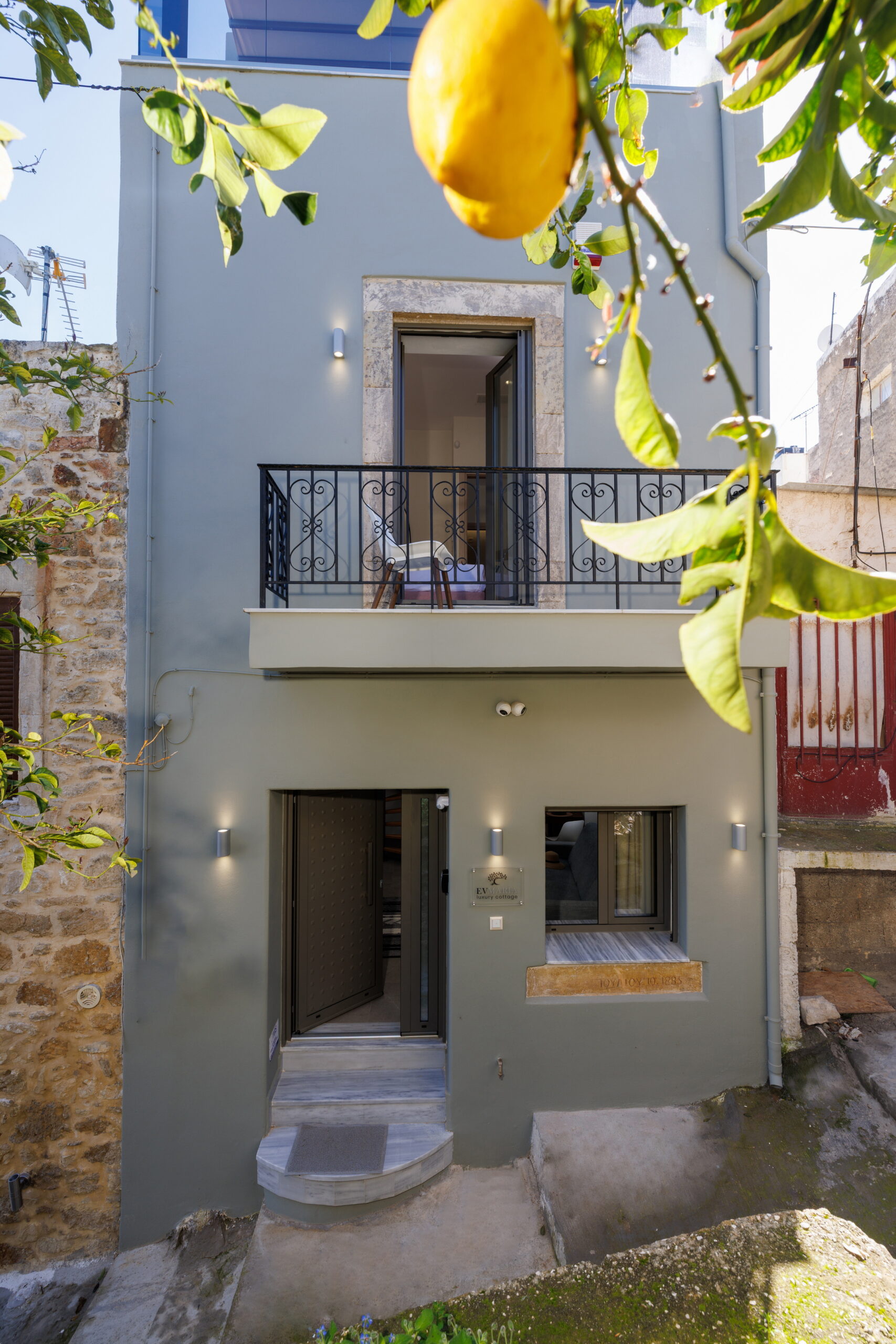
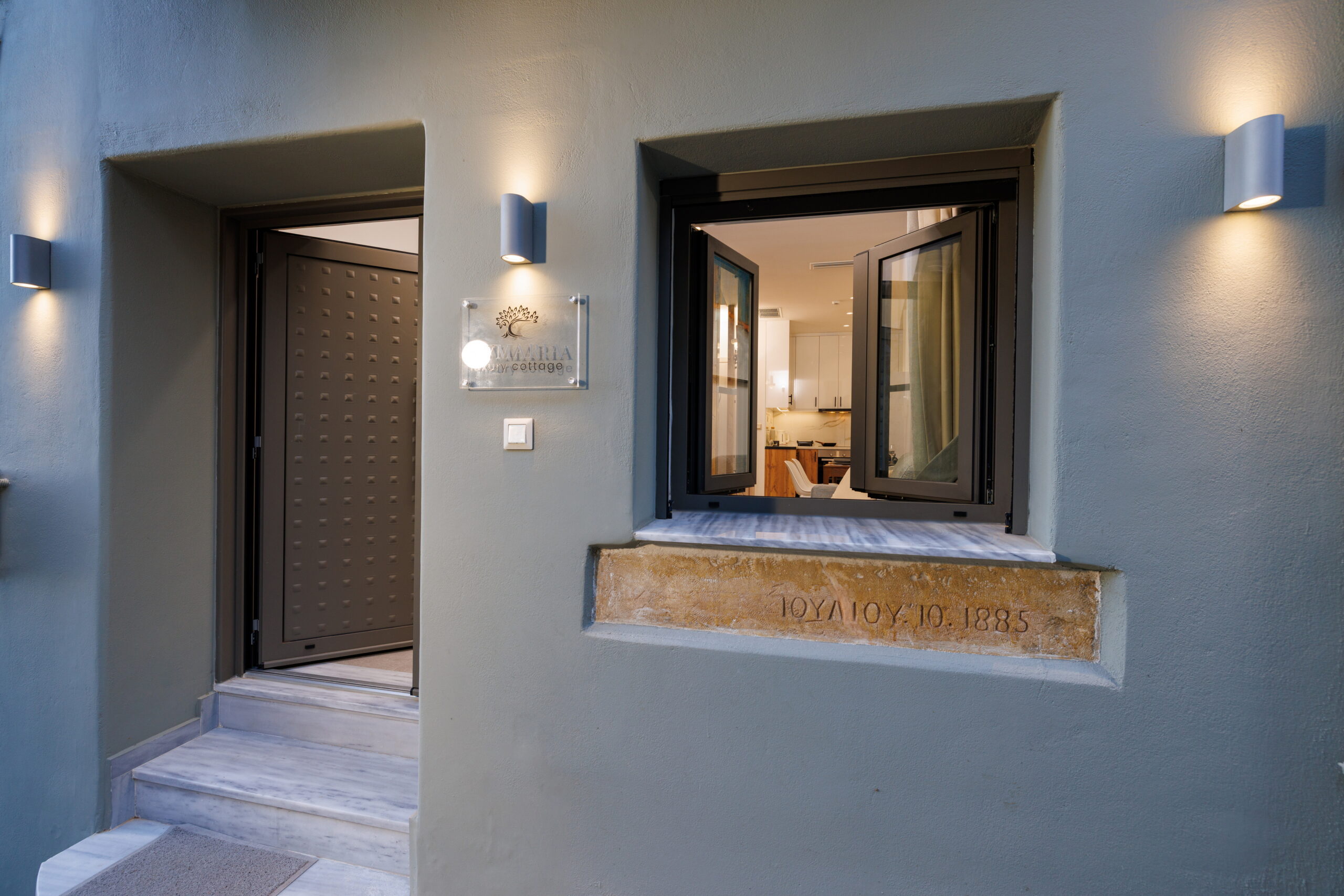
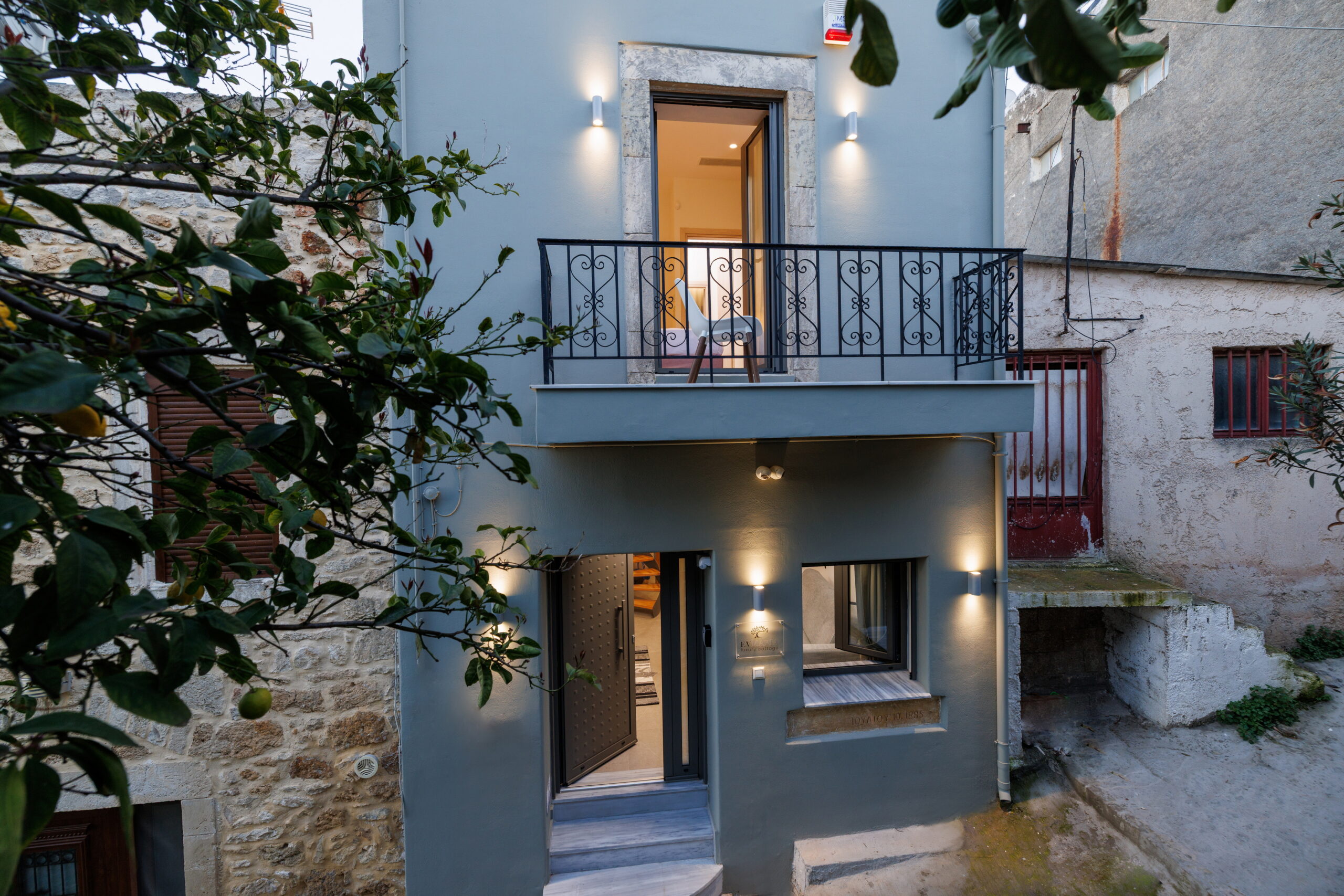
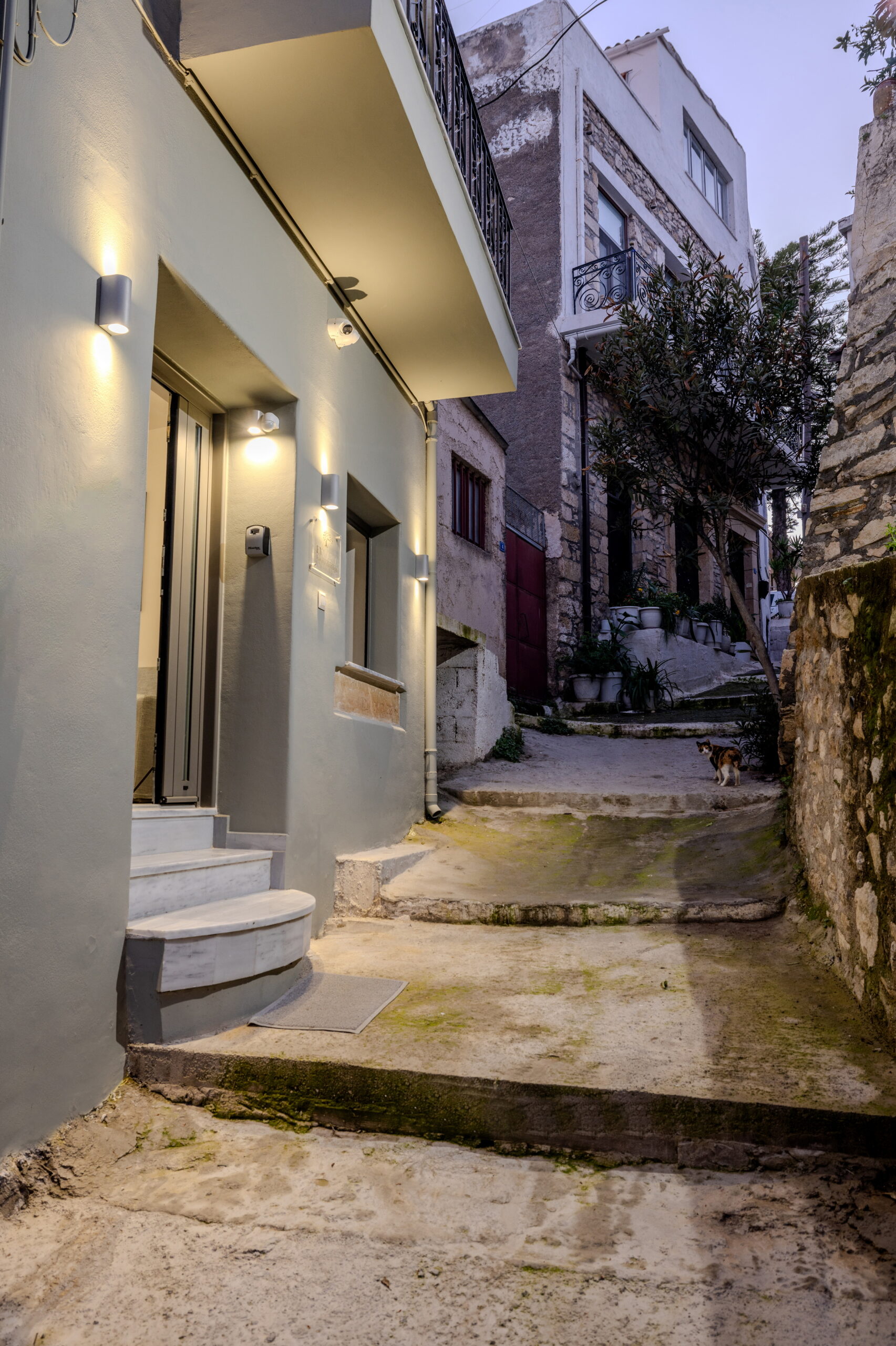
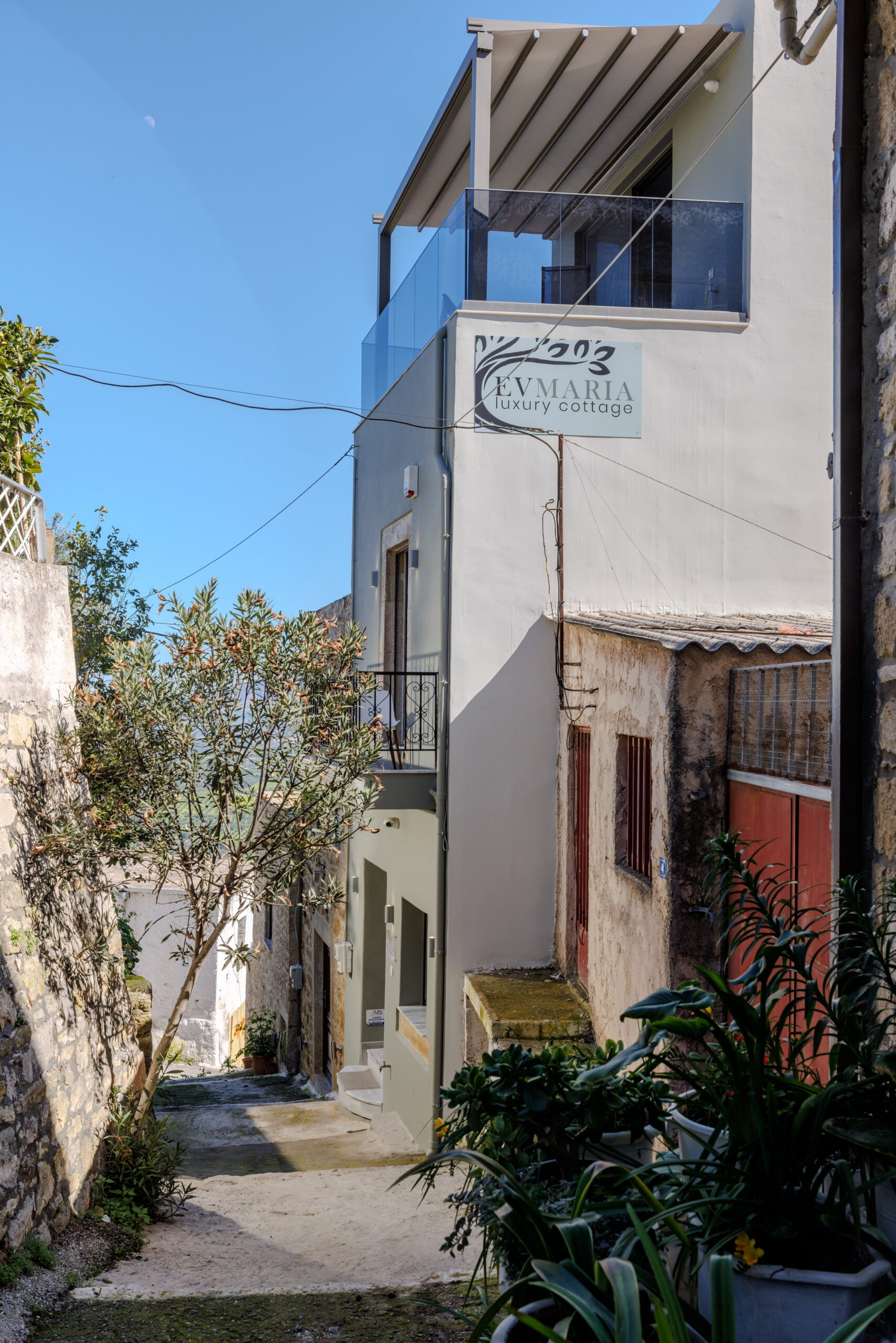
Evmaria Maisonette is a Fully renovated, beautifully designed home that blends modern style, warm comfort, and the peaceful charm of one of Heraklion’s most traditional villages, Agios Myronas. Created for guests who want to relax in a quiet, picturesque setting without giving up the comforts of high‑quality accommodation, this maisonette offers a unique stay that feels both luxurious and deeply connected to the local character.
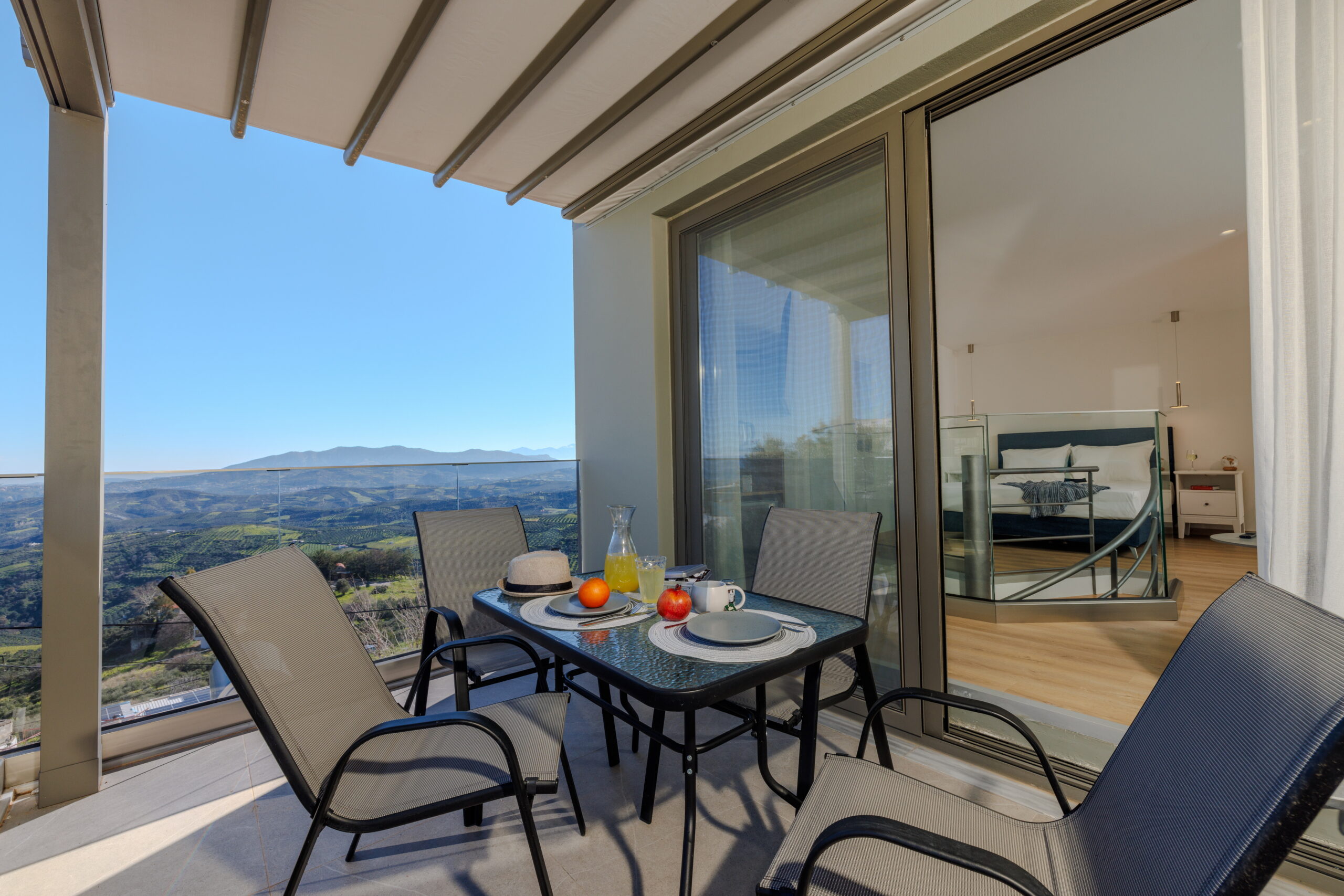
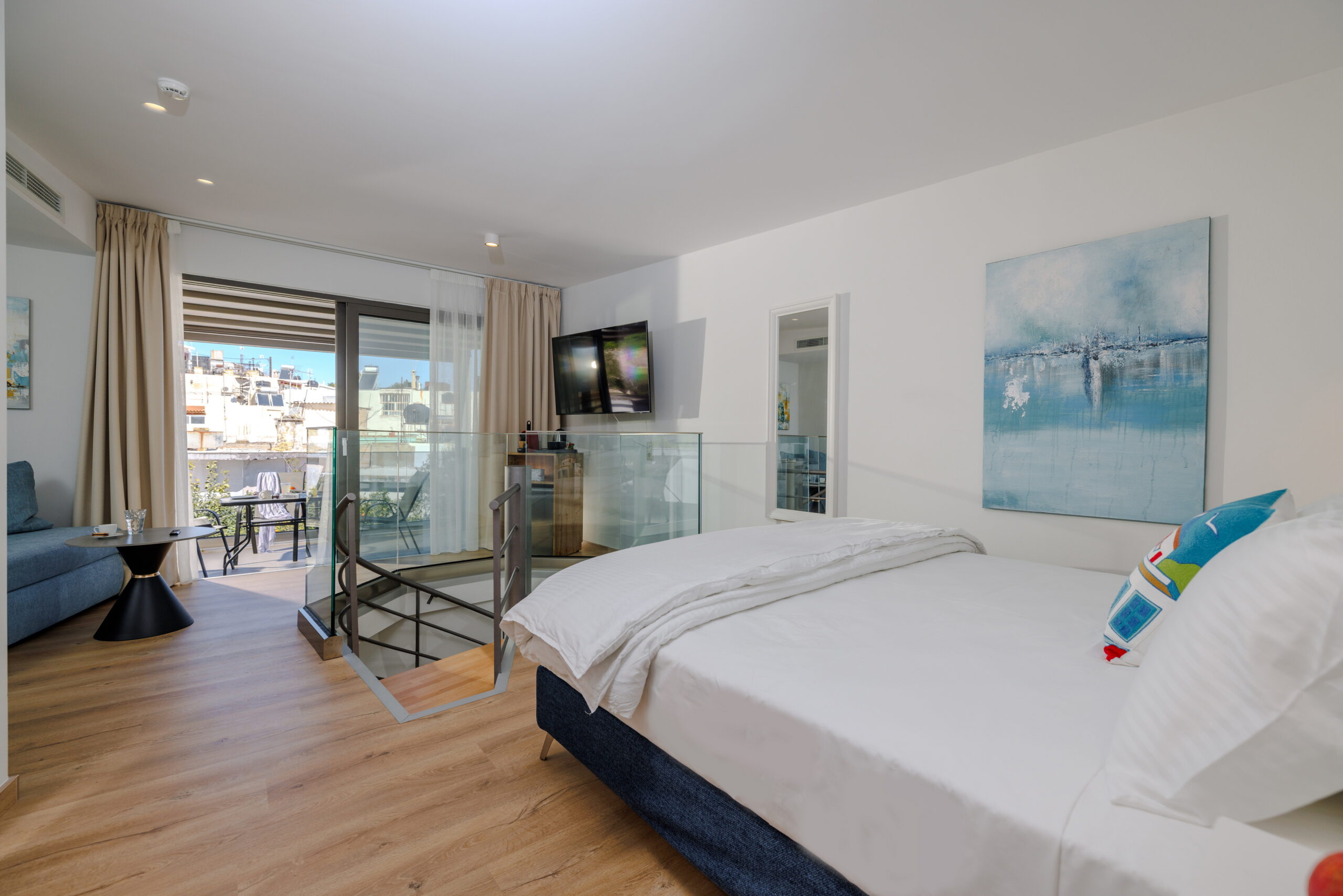
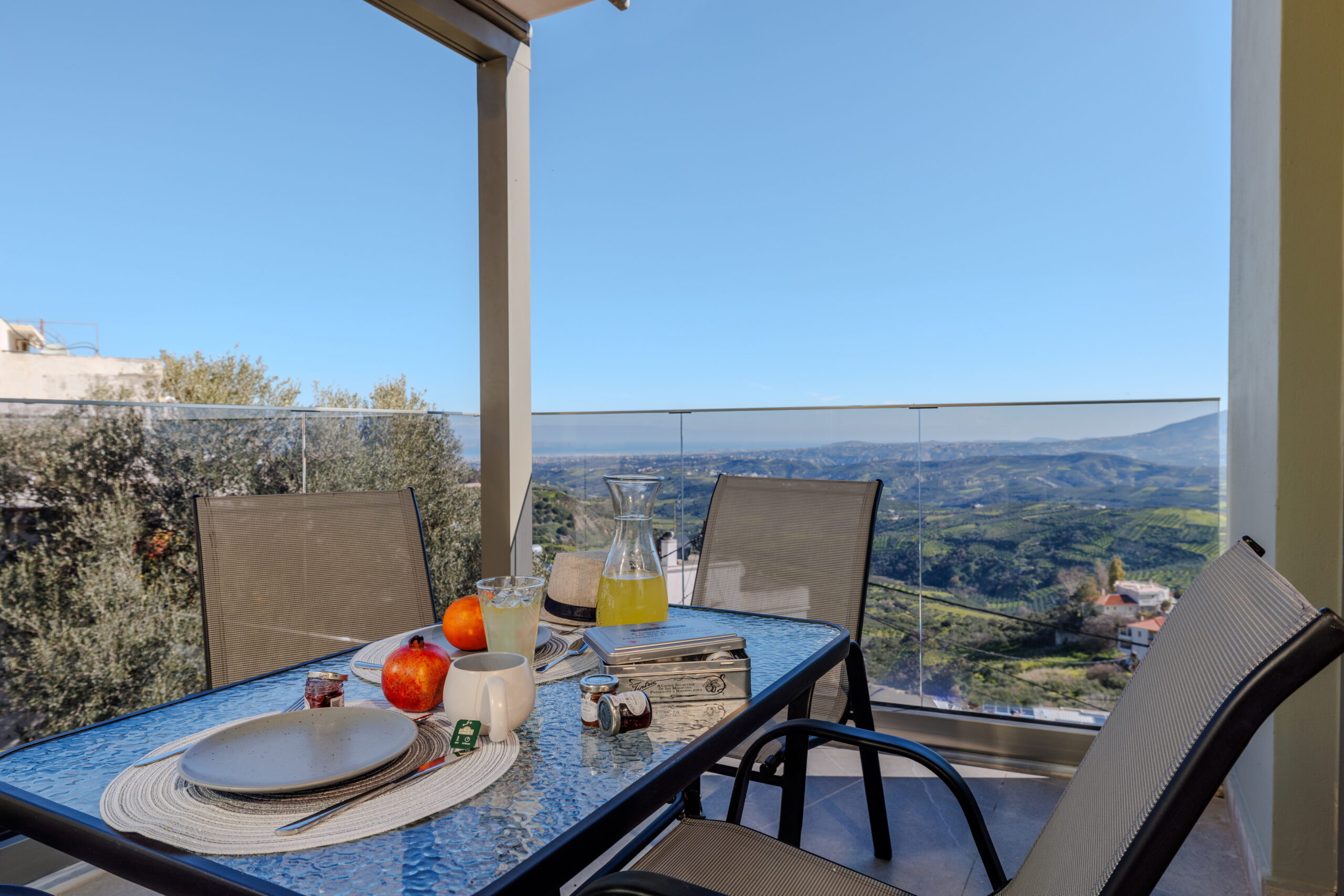
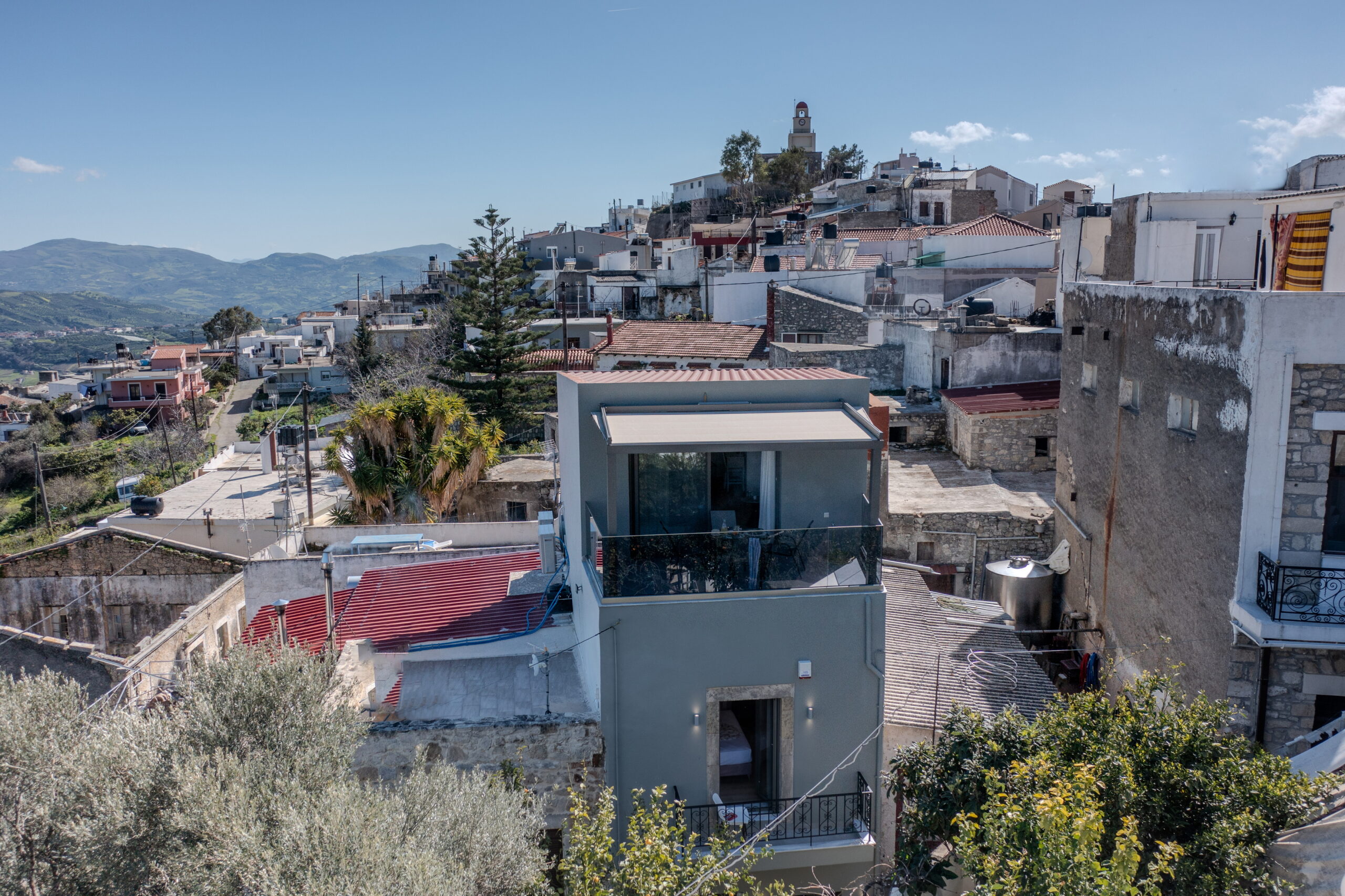
Spread across three spacious floors, the home provides privacy, comfort, and an elegant atmosphere throughout. The top floor features a spectacular panoramic view of the village, with a sea view, and the surrounding hills —an ideal spot to enjoy your morning coffee or unwind in the evening as the sun sets over the Cretan landscape.

A place created with care, comfort, and a touch of authentic Cretan charm. Relax, unwind, and enjoy every moment of your stay — we’re here to make it truly special.
Myron & Maria, Your Hosts
EVMARIA LUXURY COTTAGE
Explore Image Gallery
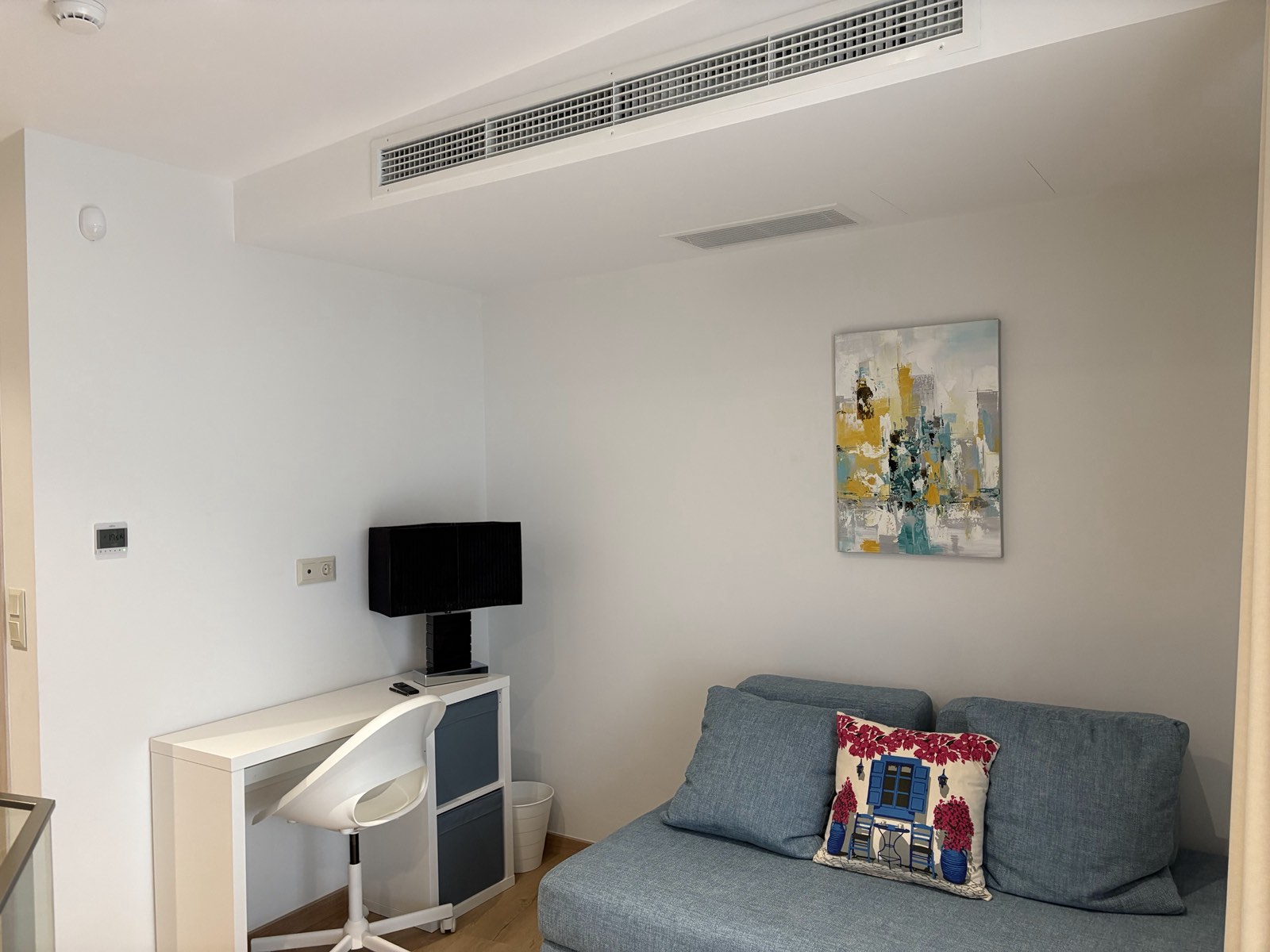
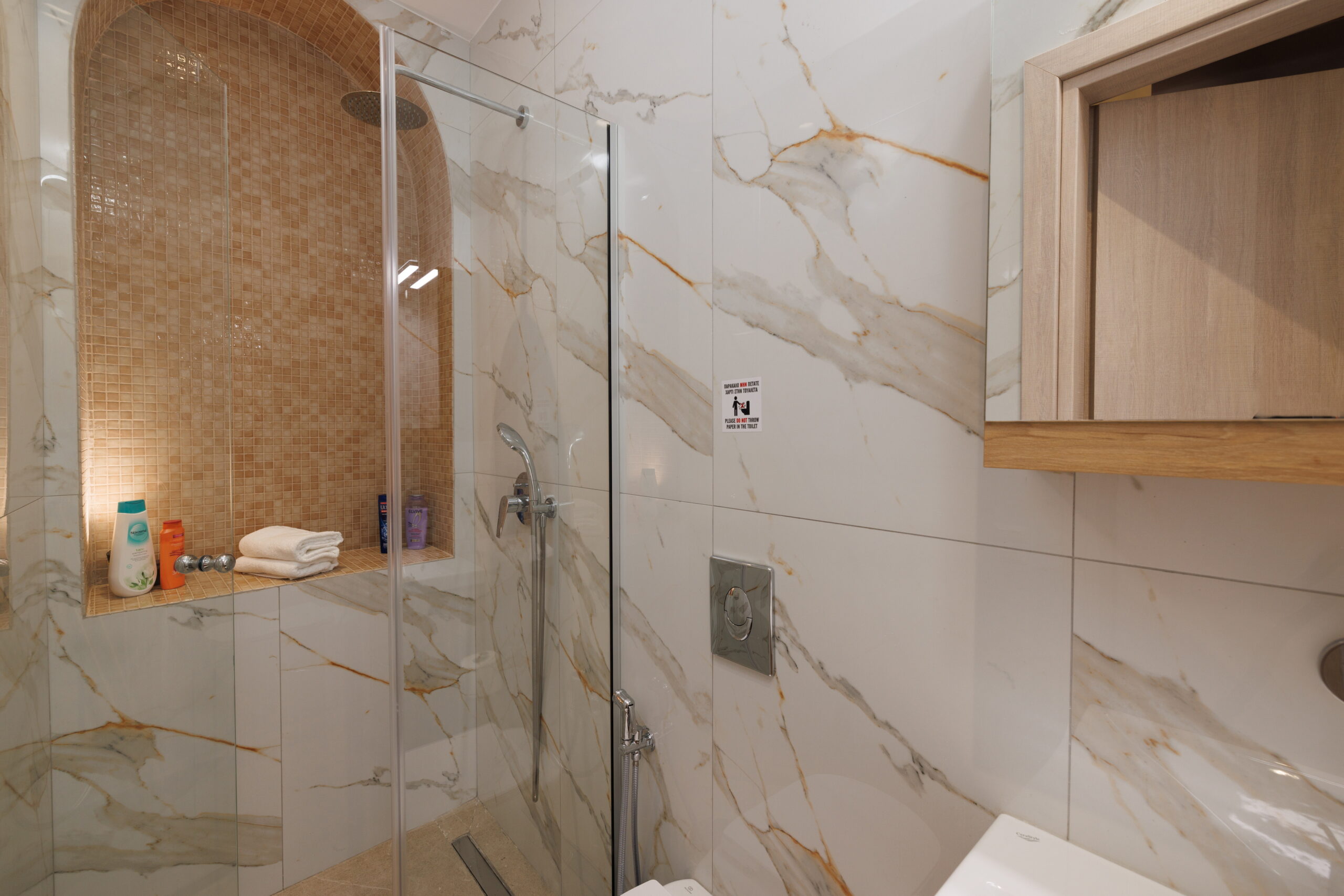
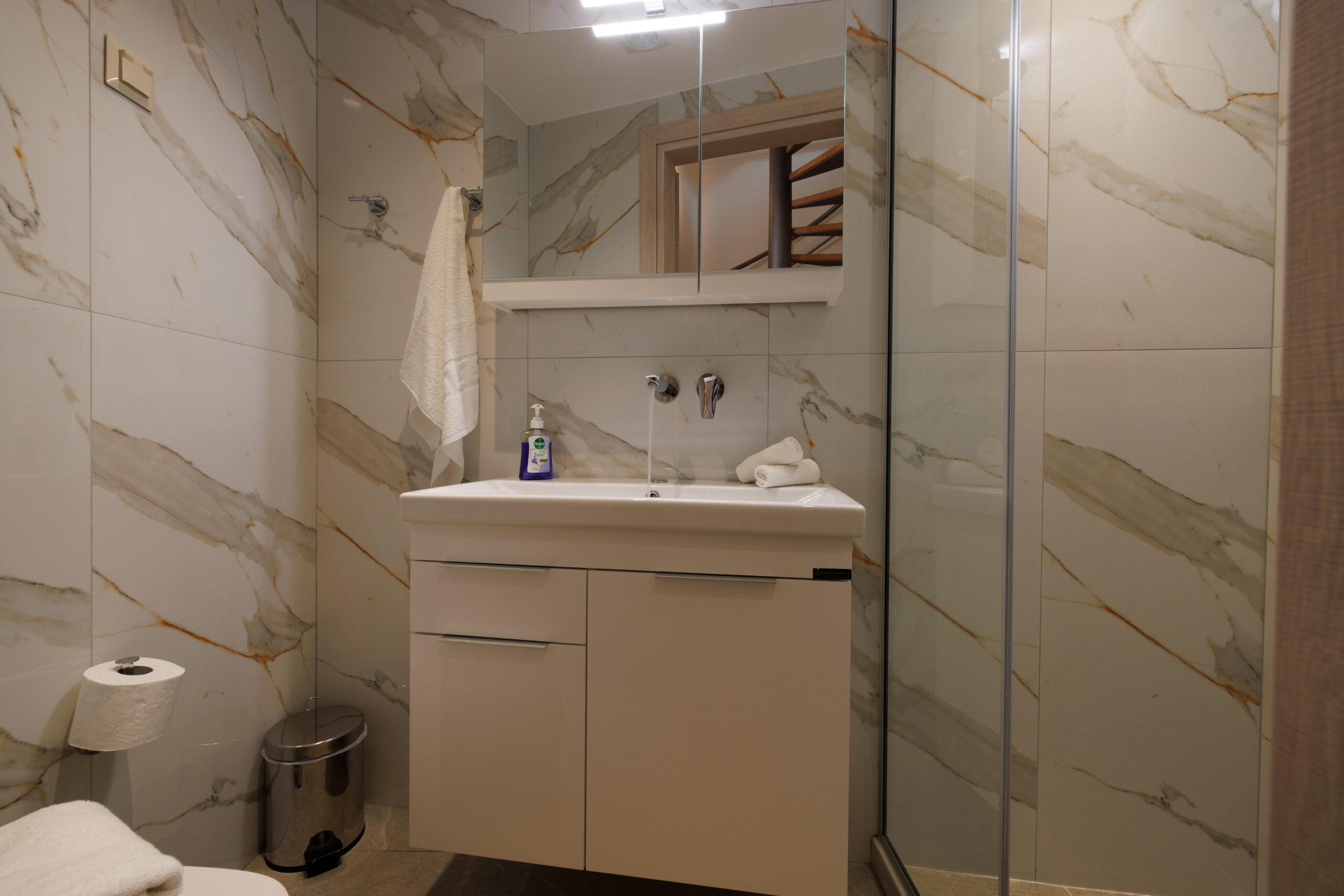
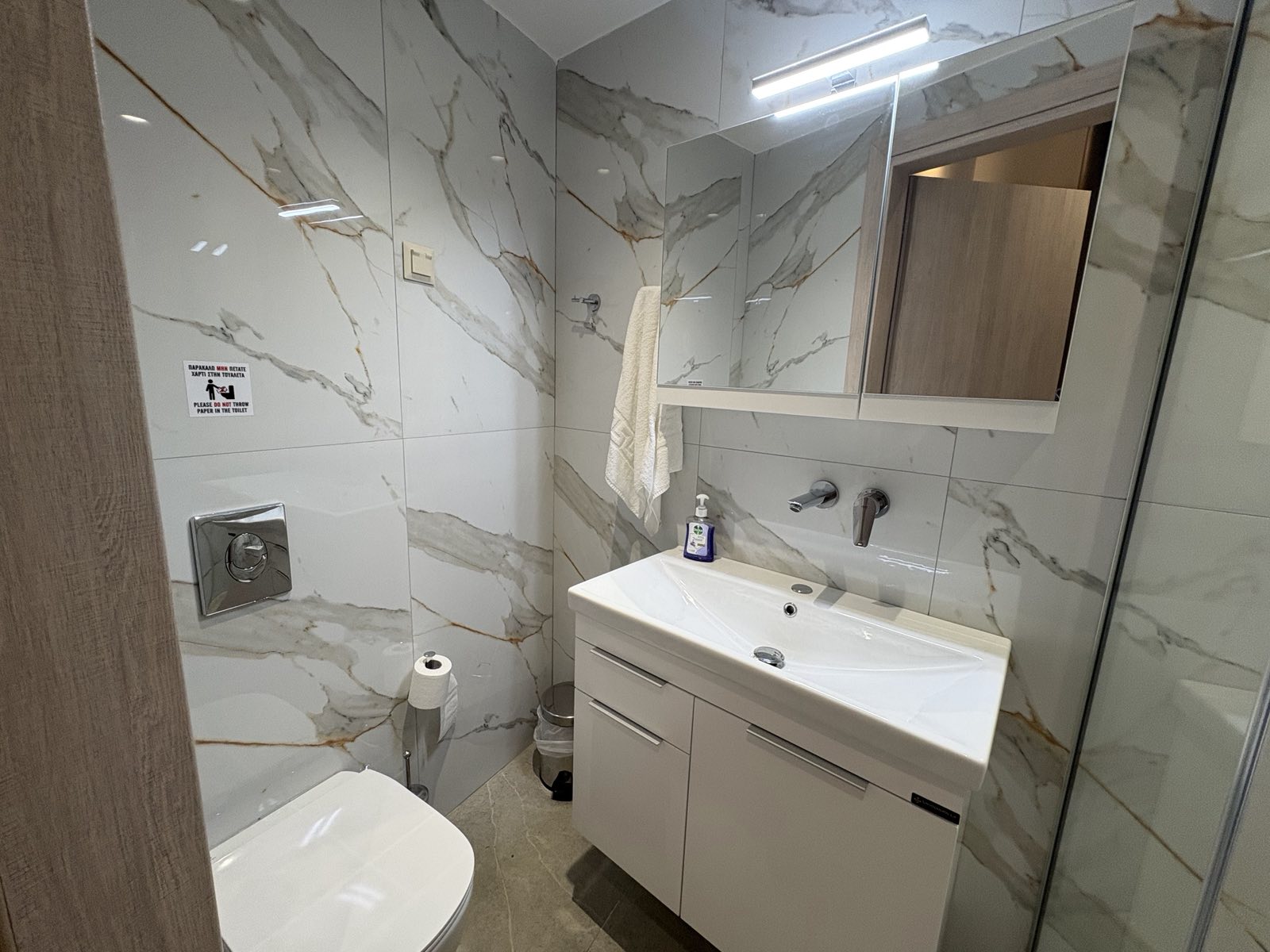
discover
What Makes EVMARIA Cottage Special
- Entirely renovated construction with a fresh, modern aesthetic.
- Cozy and inviting atmosphere, perfect for relaxation.
- Three levels of comfort, ideal for families, couples, or groups.
- Stunning top floor views that capture the beauty and tranquility of Agios Myronas.
- Fully equipped spaces designed for a smooth and comfortable stay.
- A balance of luxury and tradition, offering both elegance and authenticity.
Levels
Bedrooms
Guests
Baths
The Experience
Evmaria Maisonette offers a rare blend of relaxation, comfort, modern design, and authentic Cretan charm. Whether you’re seeking a quiet retreat, a stylish base for exploring Crete, or a place to enjoy unforgettable moments with family or friends, this maisonette delivers an experience that feels both luxurious and deeply connected to the island’s spirit.
Special monthly rental prices September-April
To make the experience even more appealing, we offer special monthly rental prices from 01/09 to 31/04, including exclusive long‑stay discounts. This option is ideal for guests who wish to enjoy a longer escape, combining luxury with affordability. Visitors can immerse themselves in a peaceful environment while remaining conveniently close to the city of Heraklion — the perfect balance for remote workers, digital nomads, couples, or anyone seeking an extended stay with comfort, tranquility, and premium accommodation.
Bedrooms & Comfort
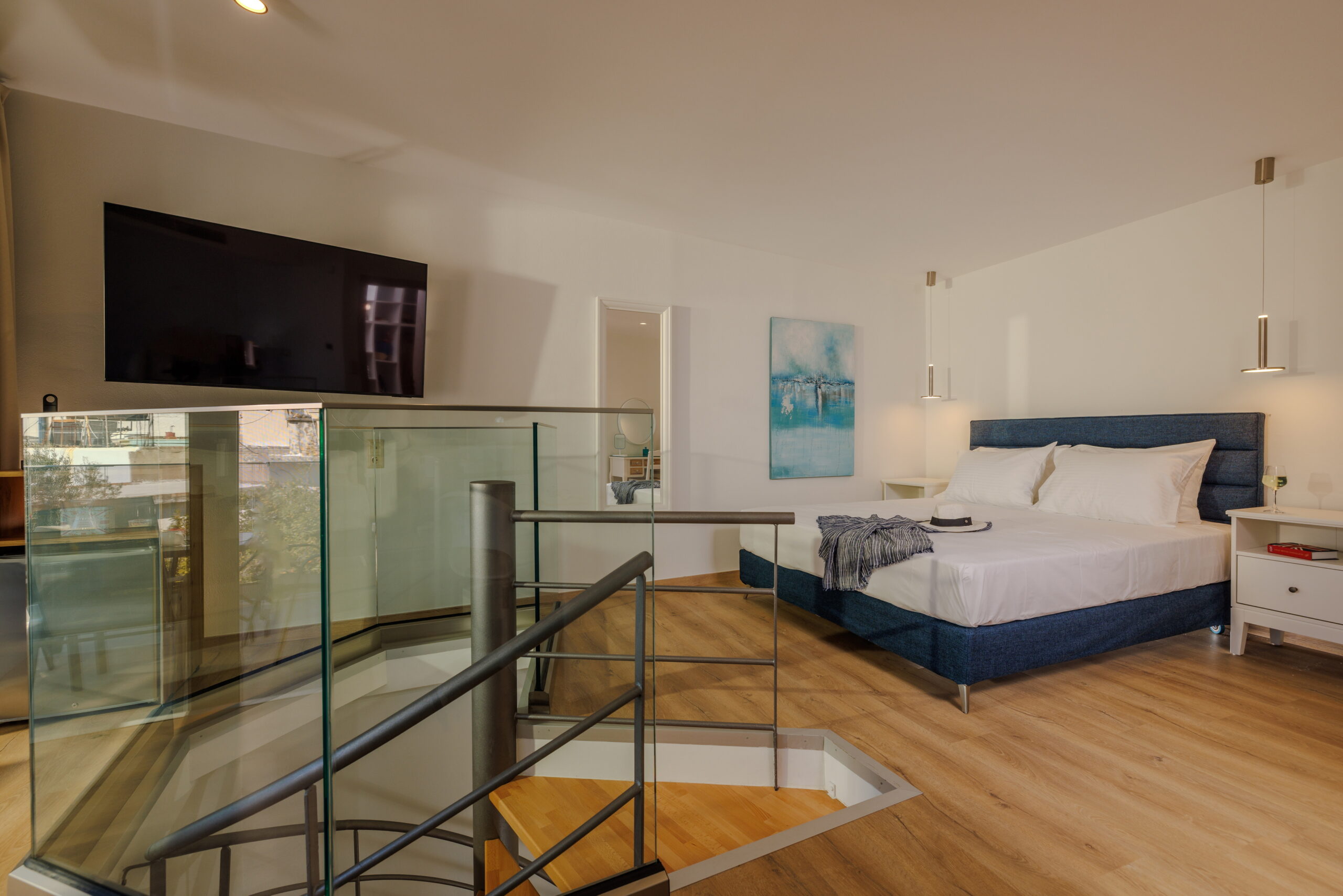
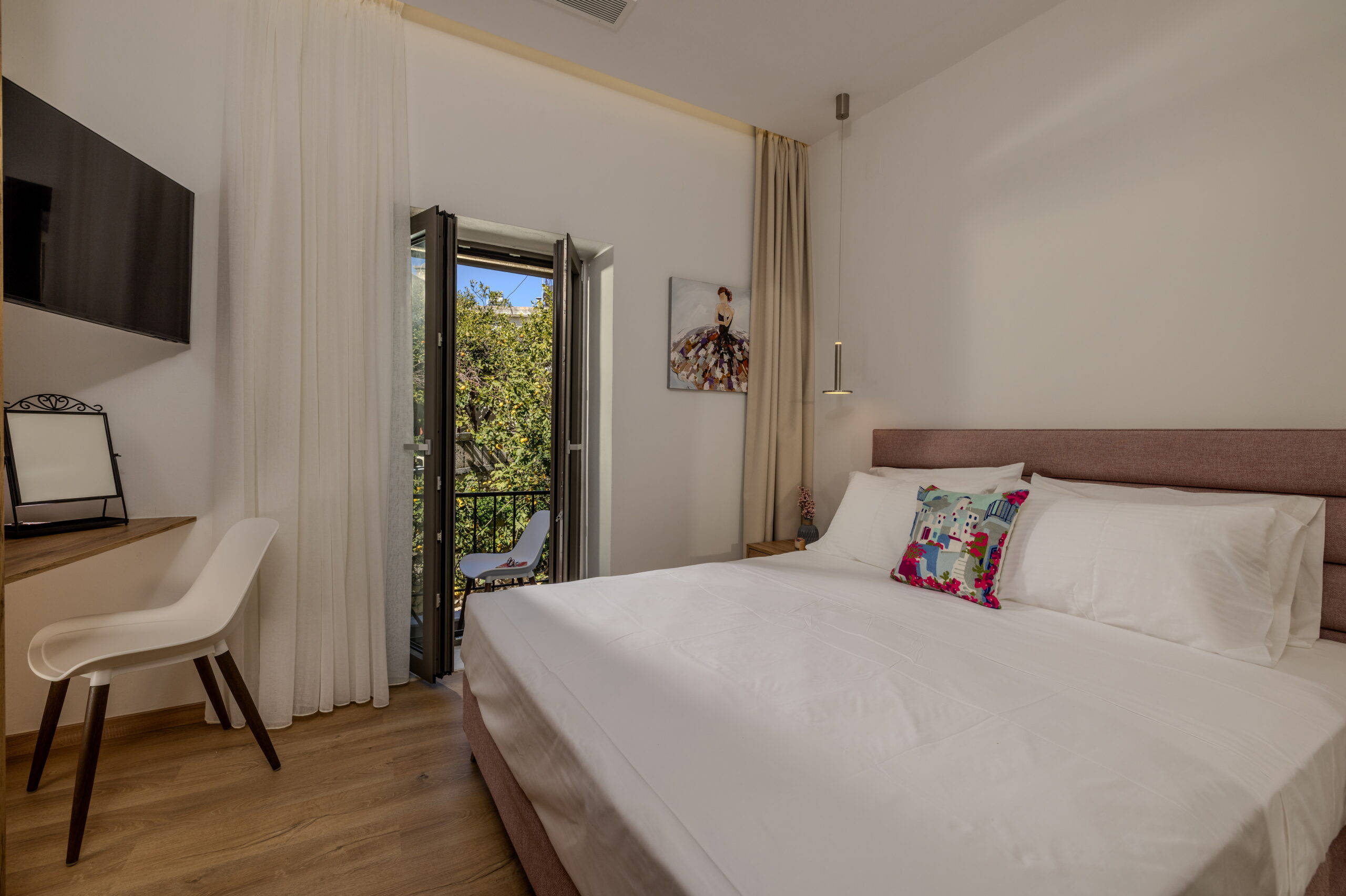
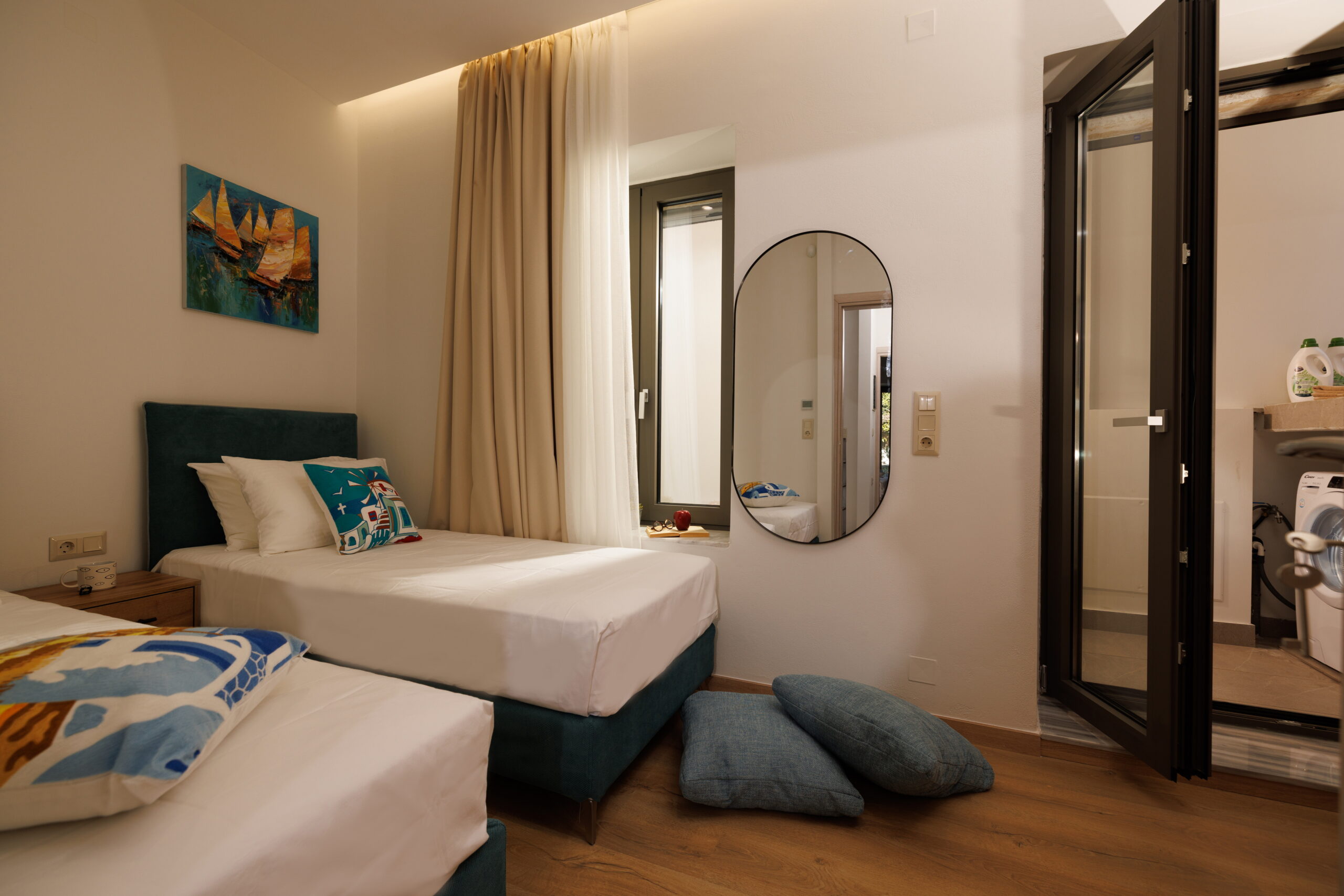
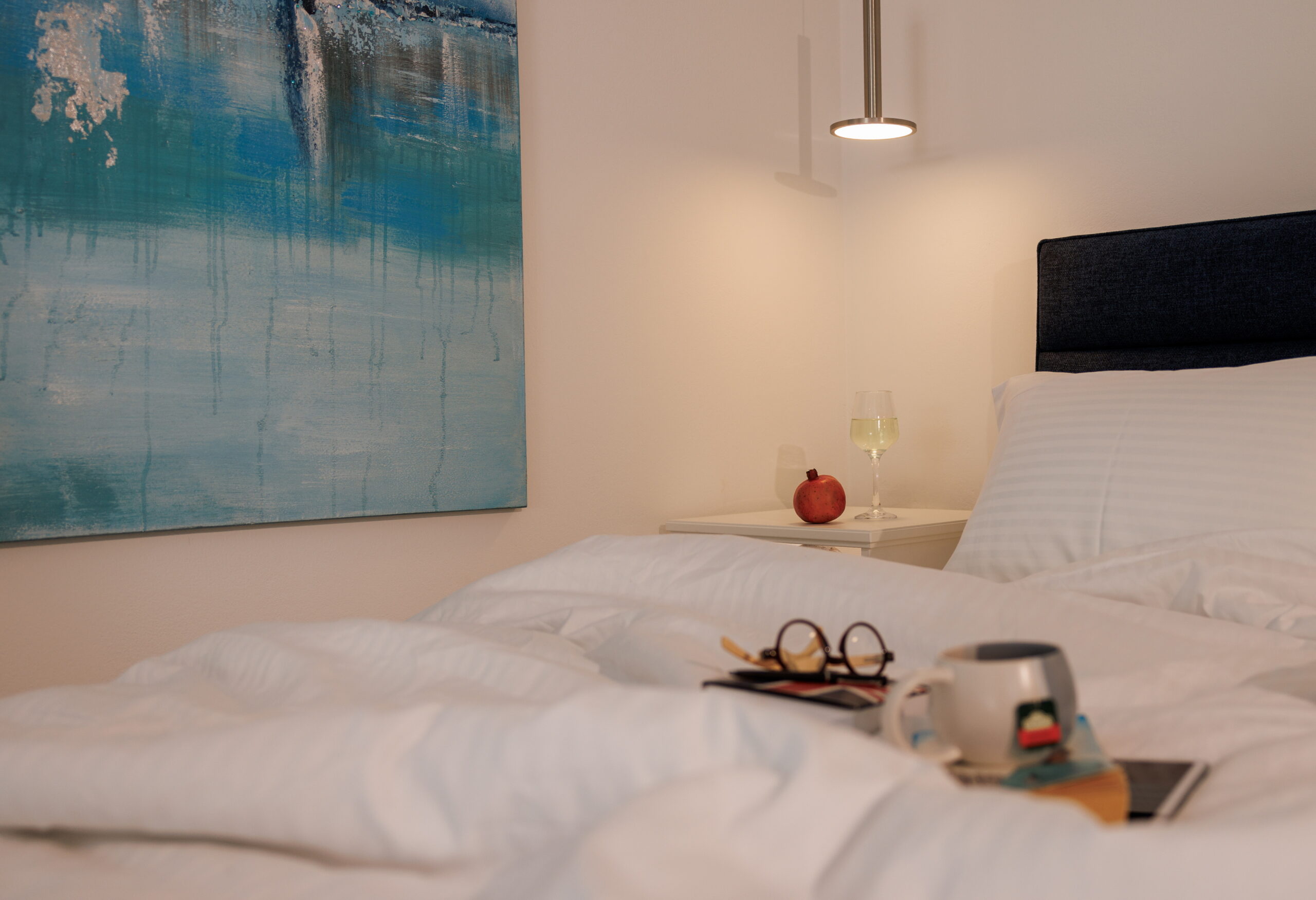
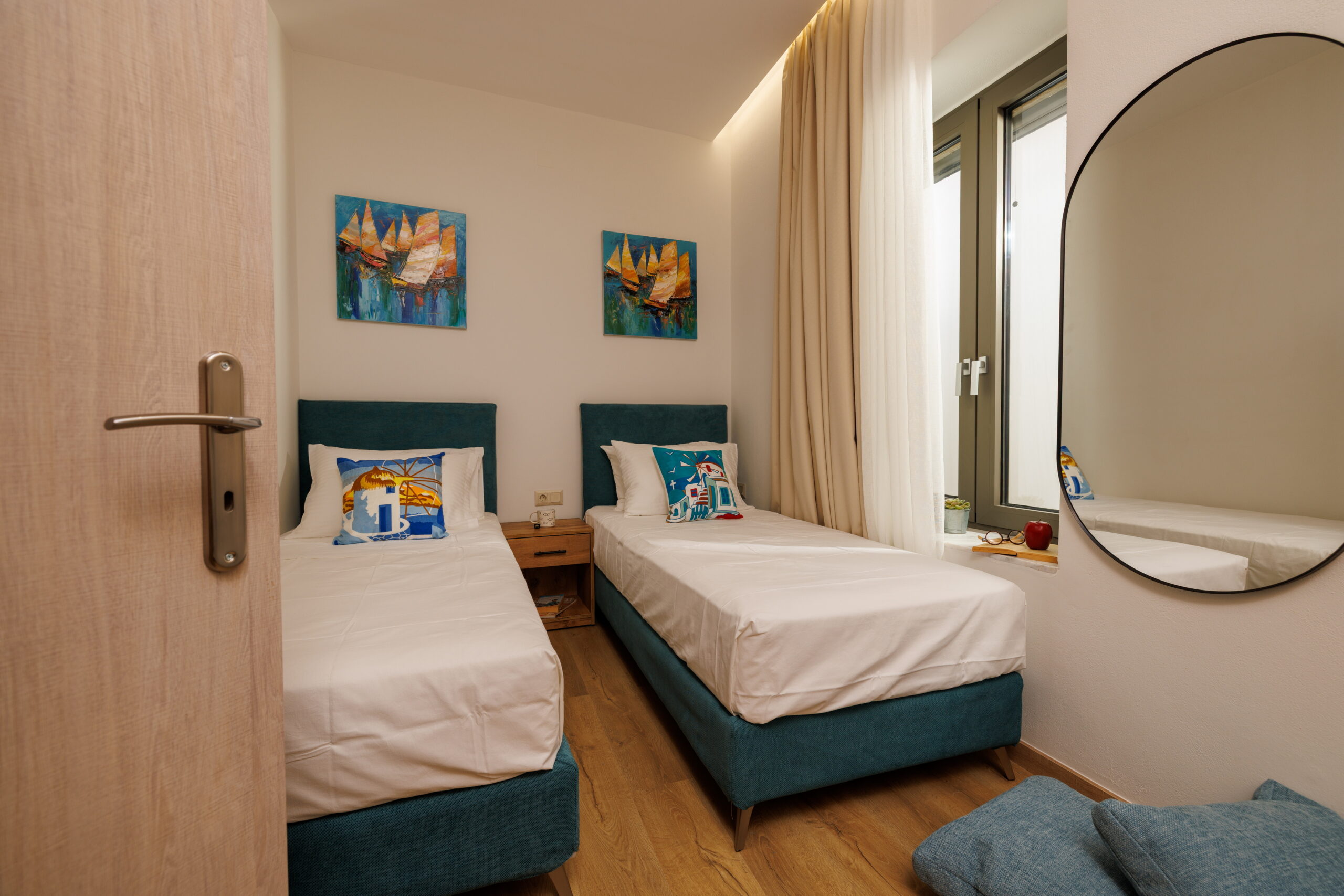
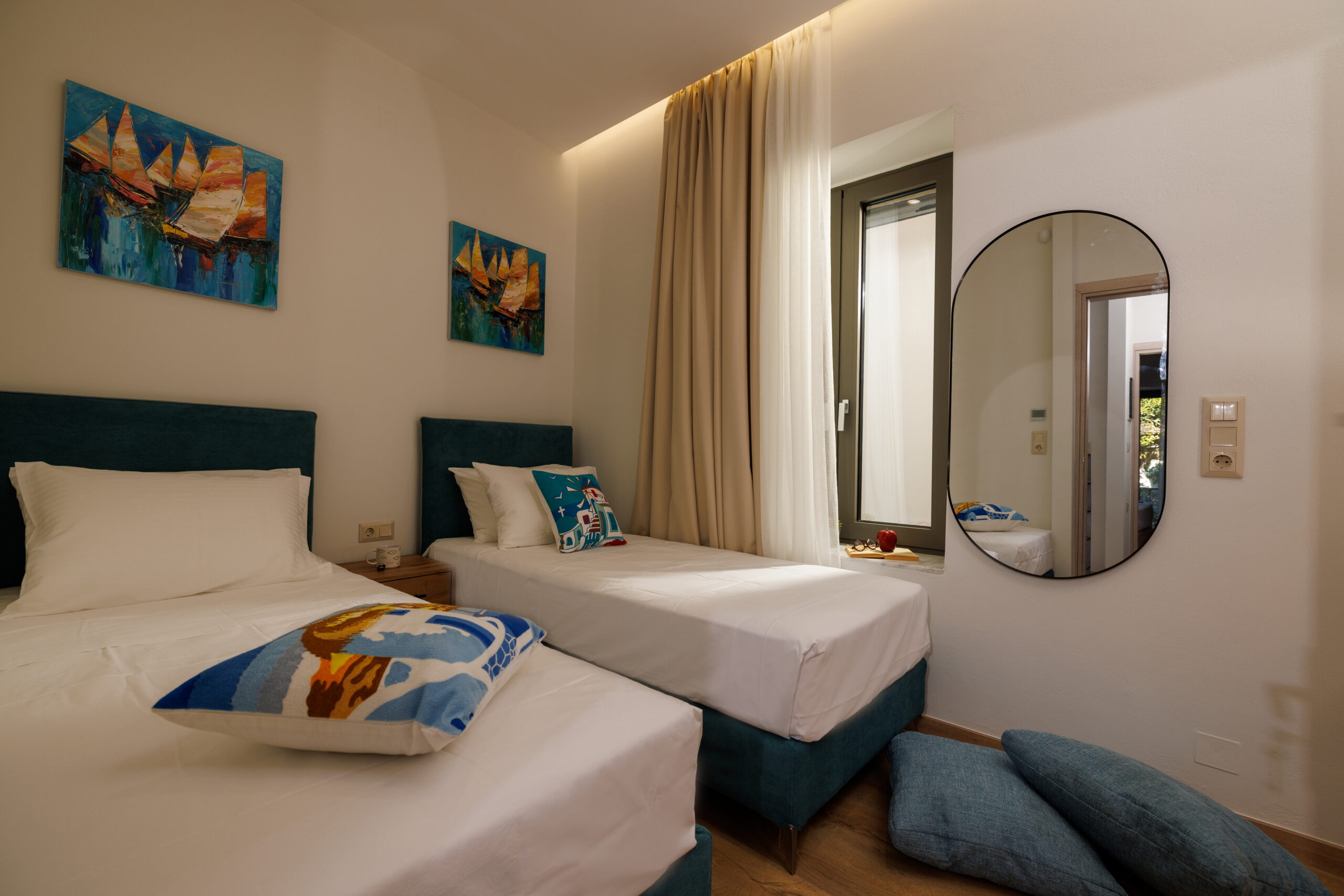
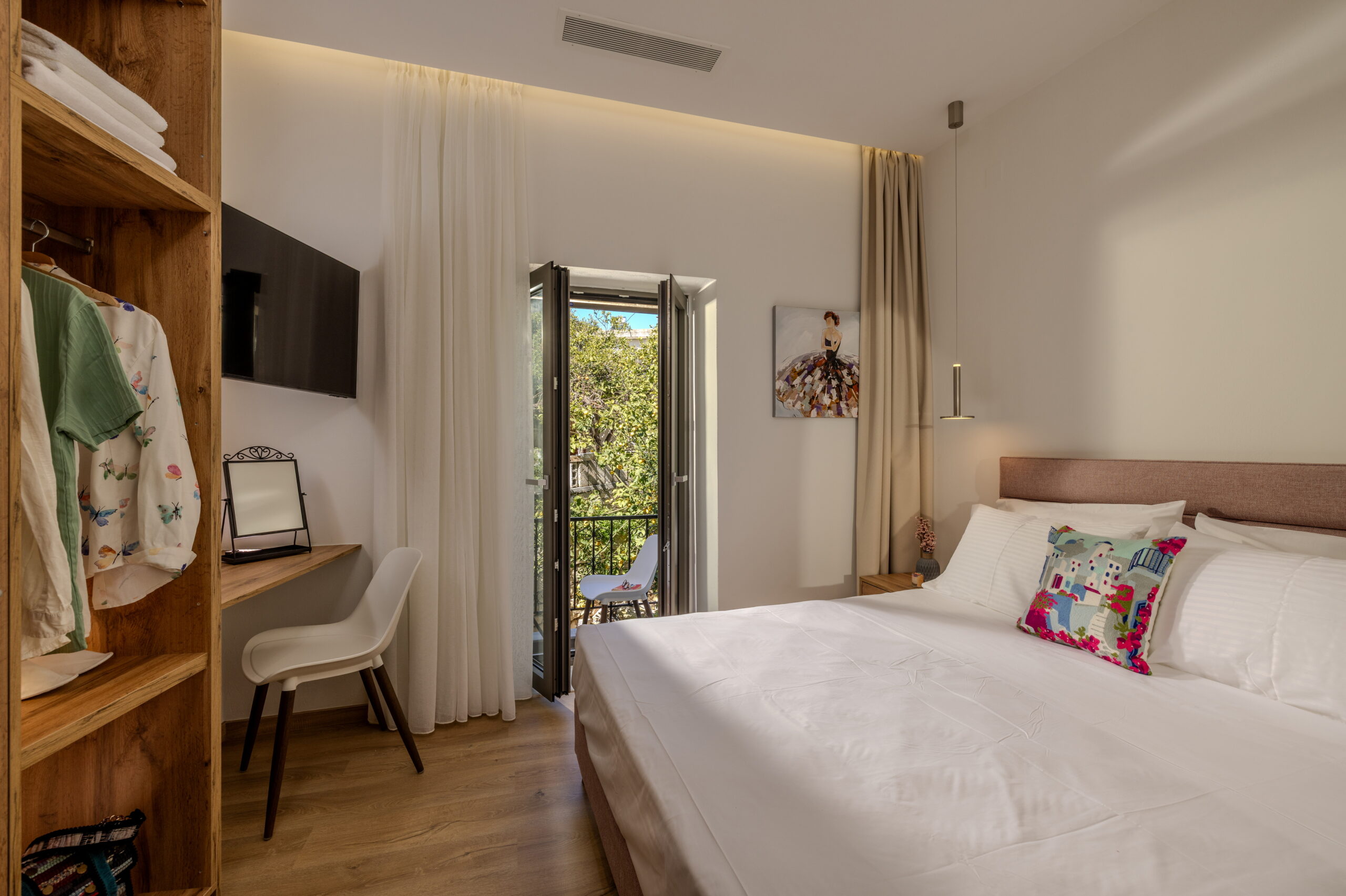
- 3 Spacious bedrooms with modern furniture, work desks, and vanity/beauty stations.
- Blackout curtains for complete rest.
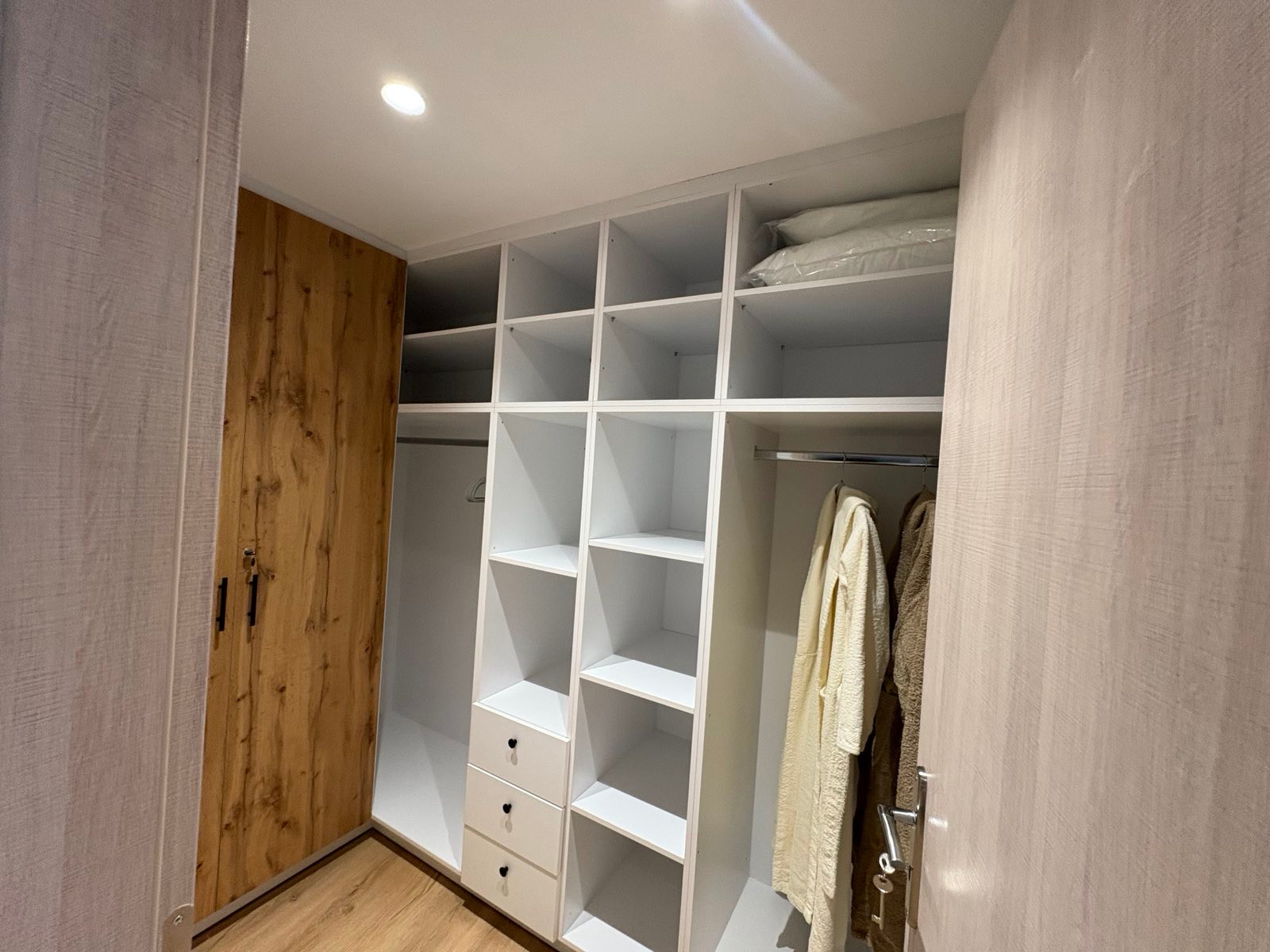
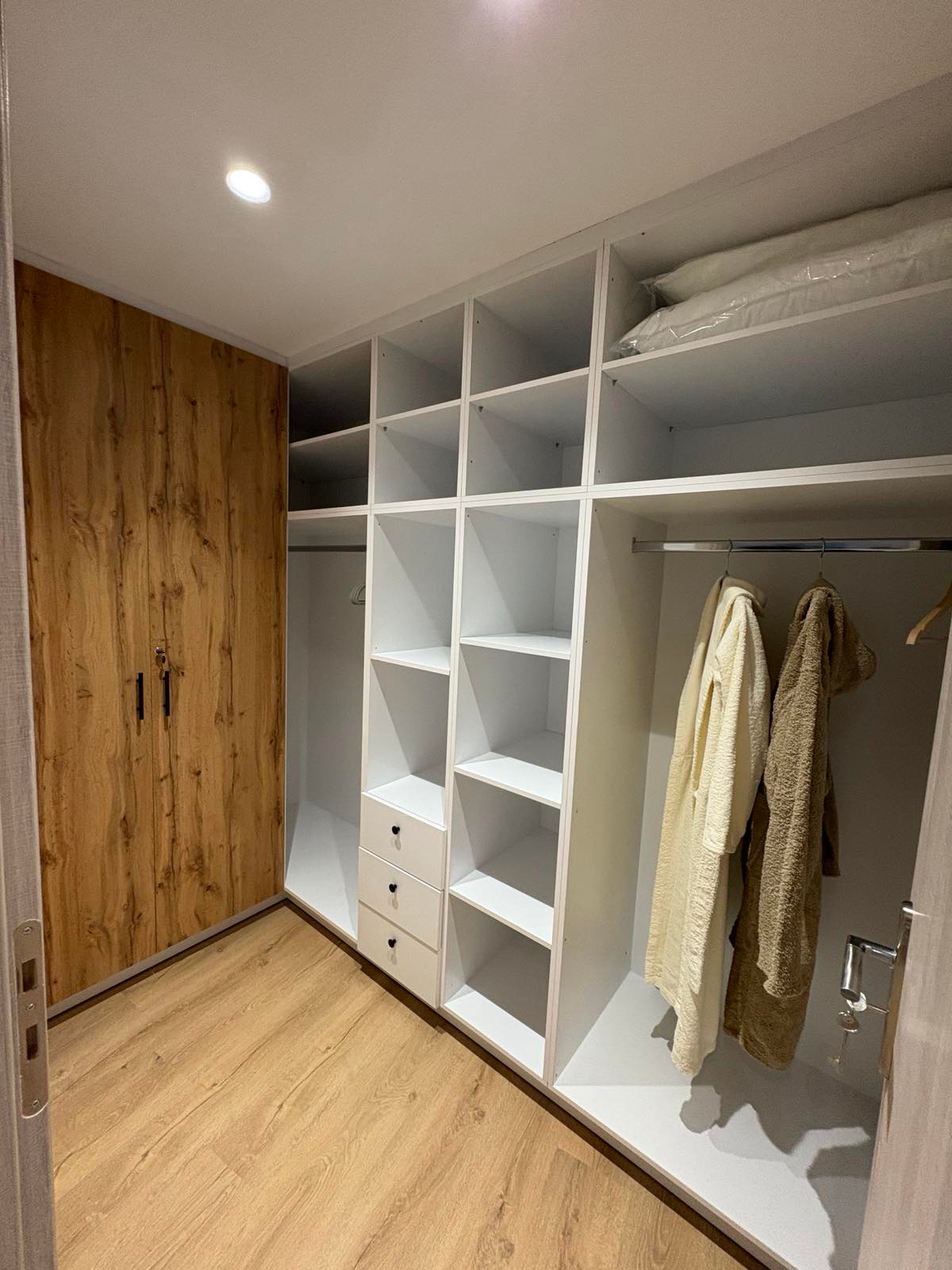
- Wardrobe/vestiario and additional storage space, including a small ground‑floor storage room.
- 4‑season duvets, blankets, and high‑quality bedding.
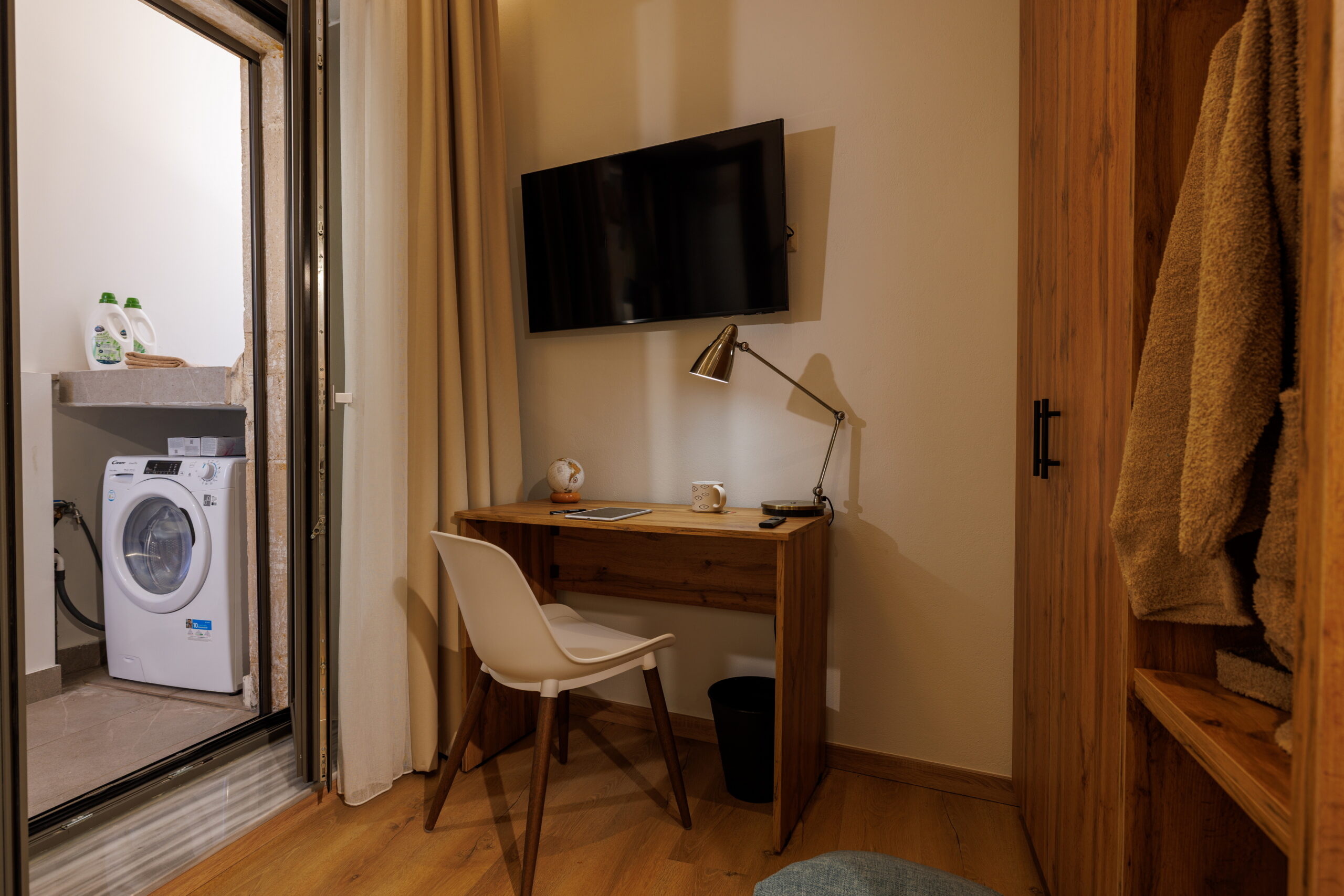
- 52-inch Smart TVs in every bedroom and in the living area.
- Ethernet connection in each room for fast, stable internet.
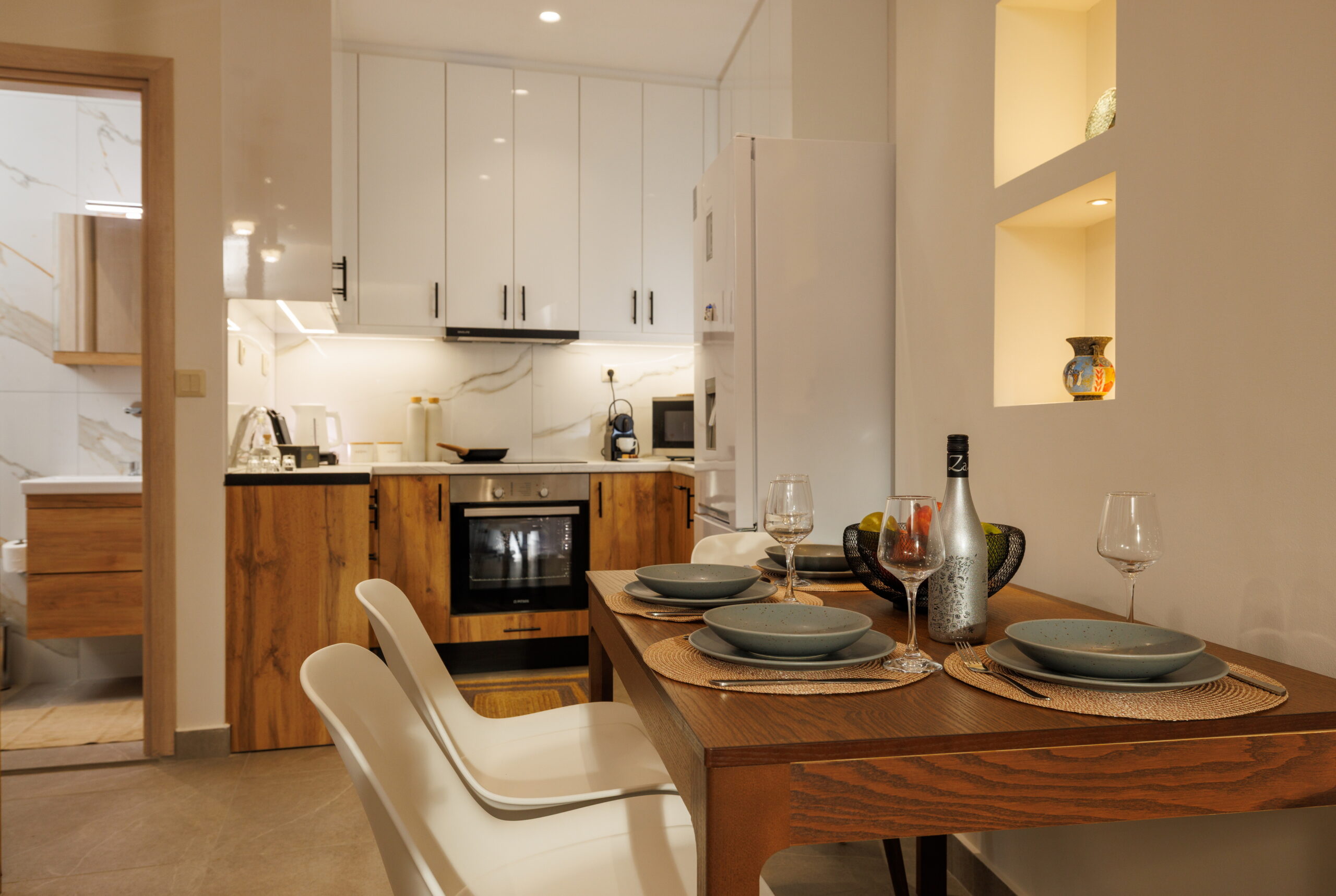
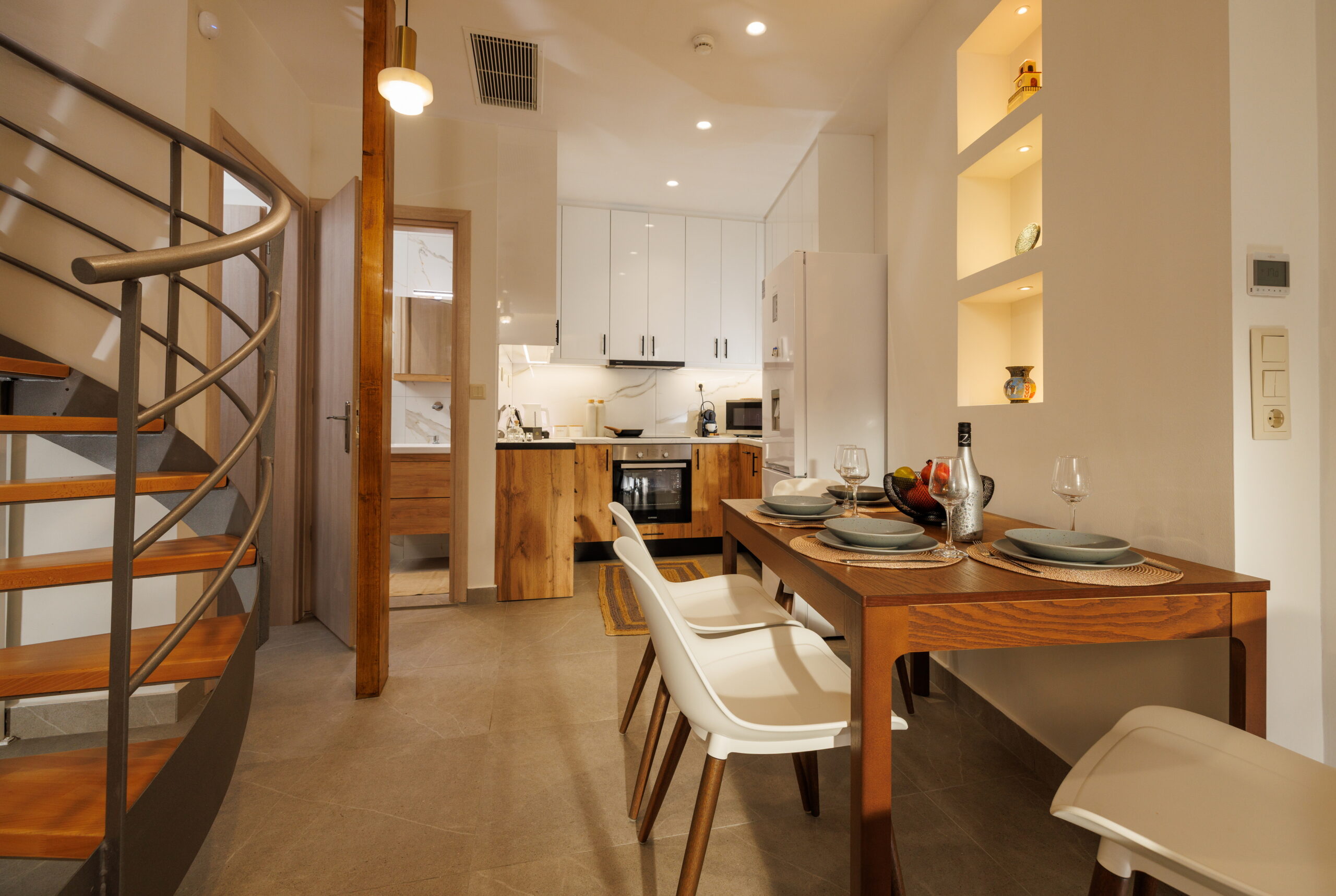
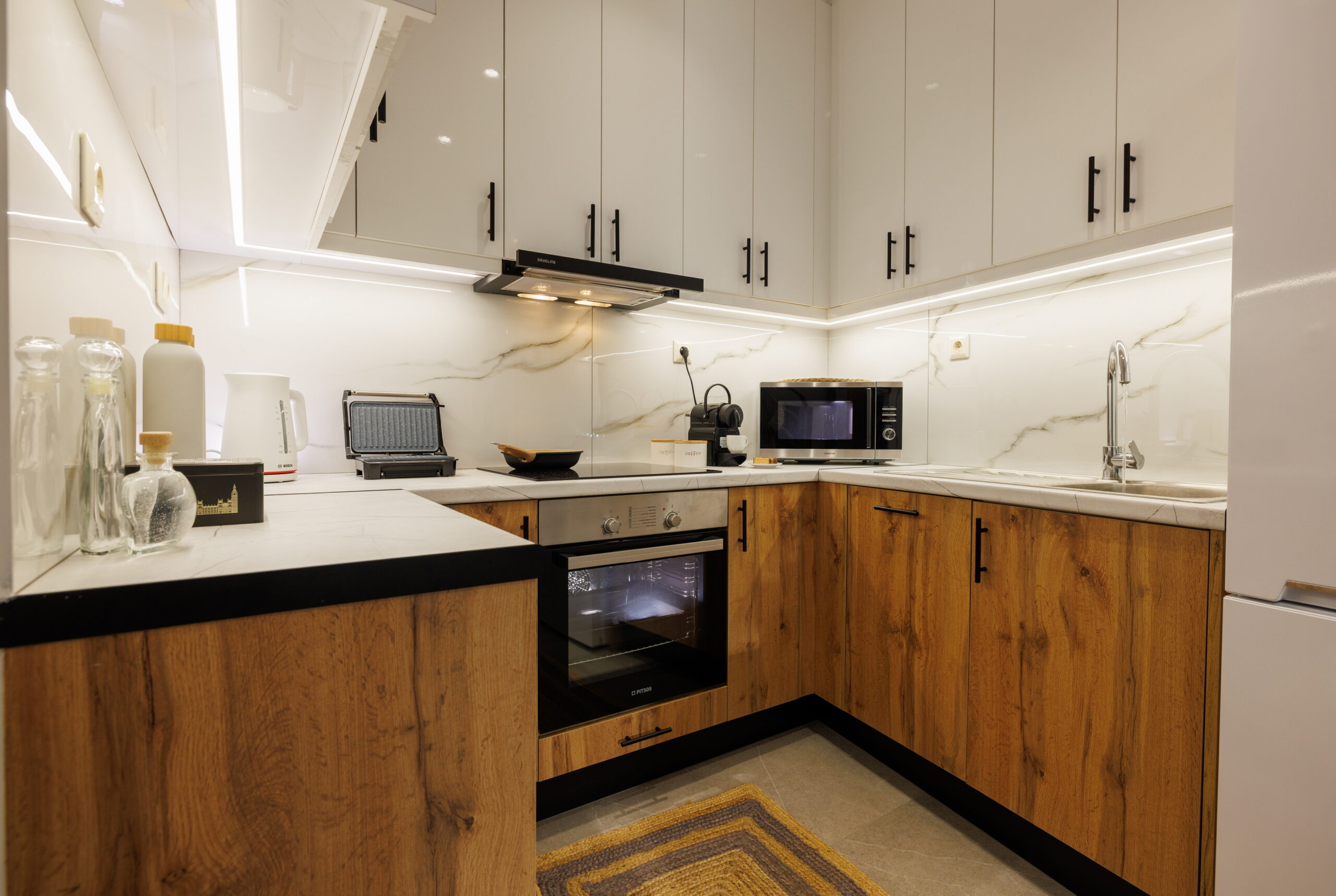
Fully Equipped Kitchen & Dining
The maisonette offers a complete kitchen setup ideal for long stays or family meals:
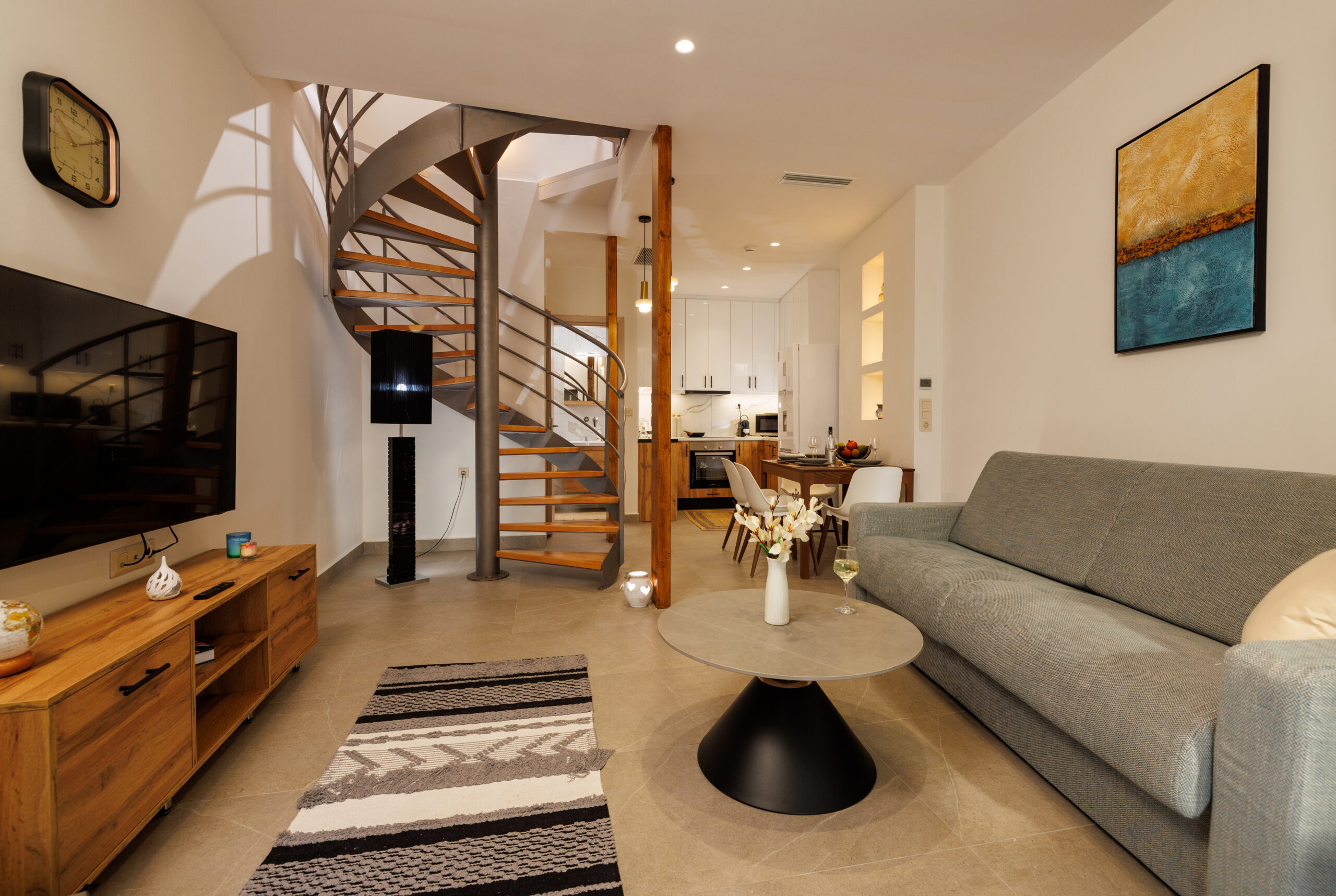
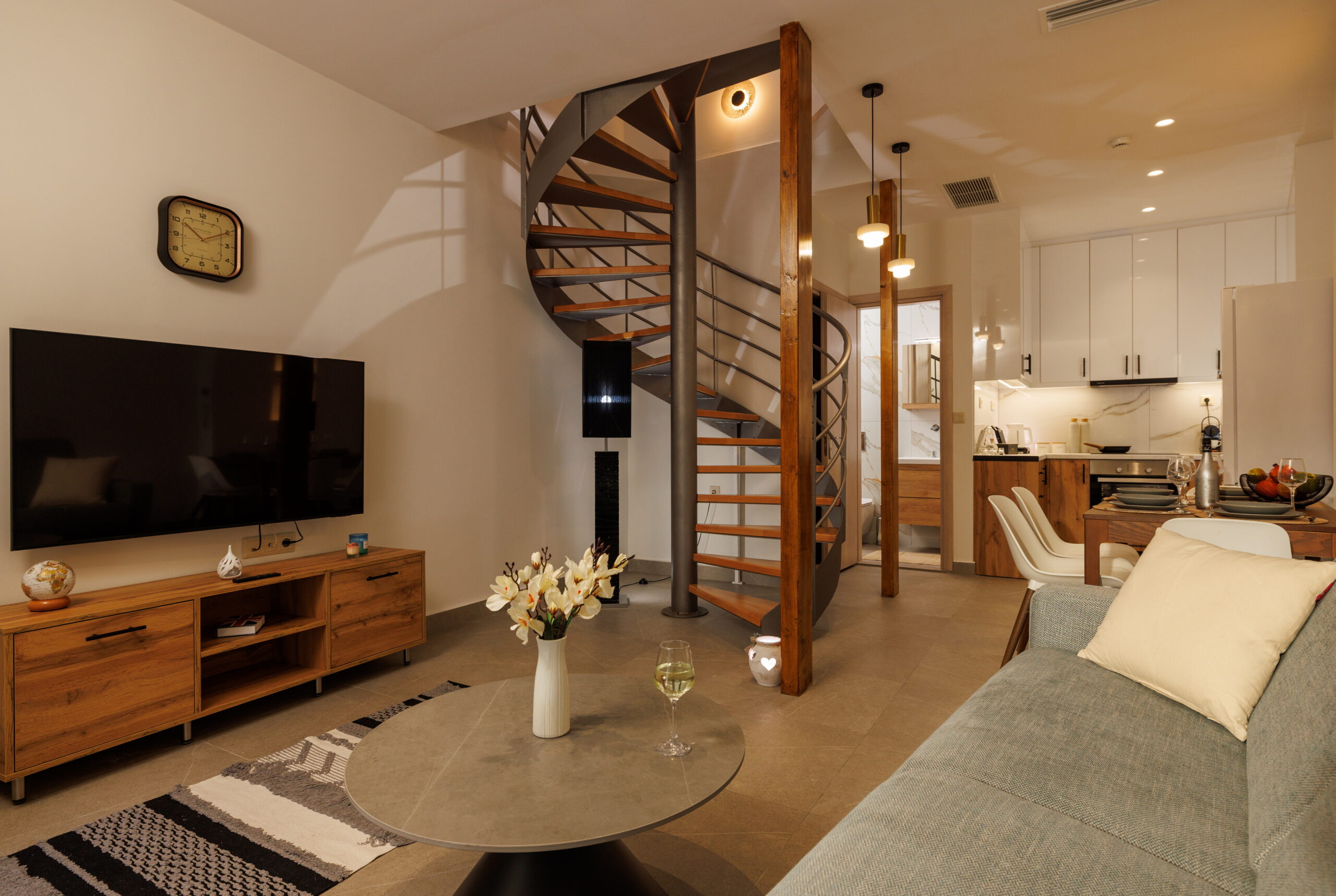
- Large refrigerator, oven with stovetop, extractor, microwave
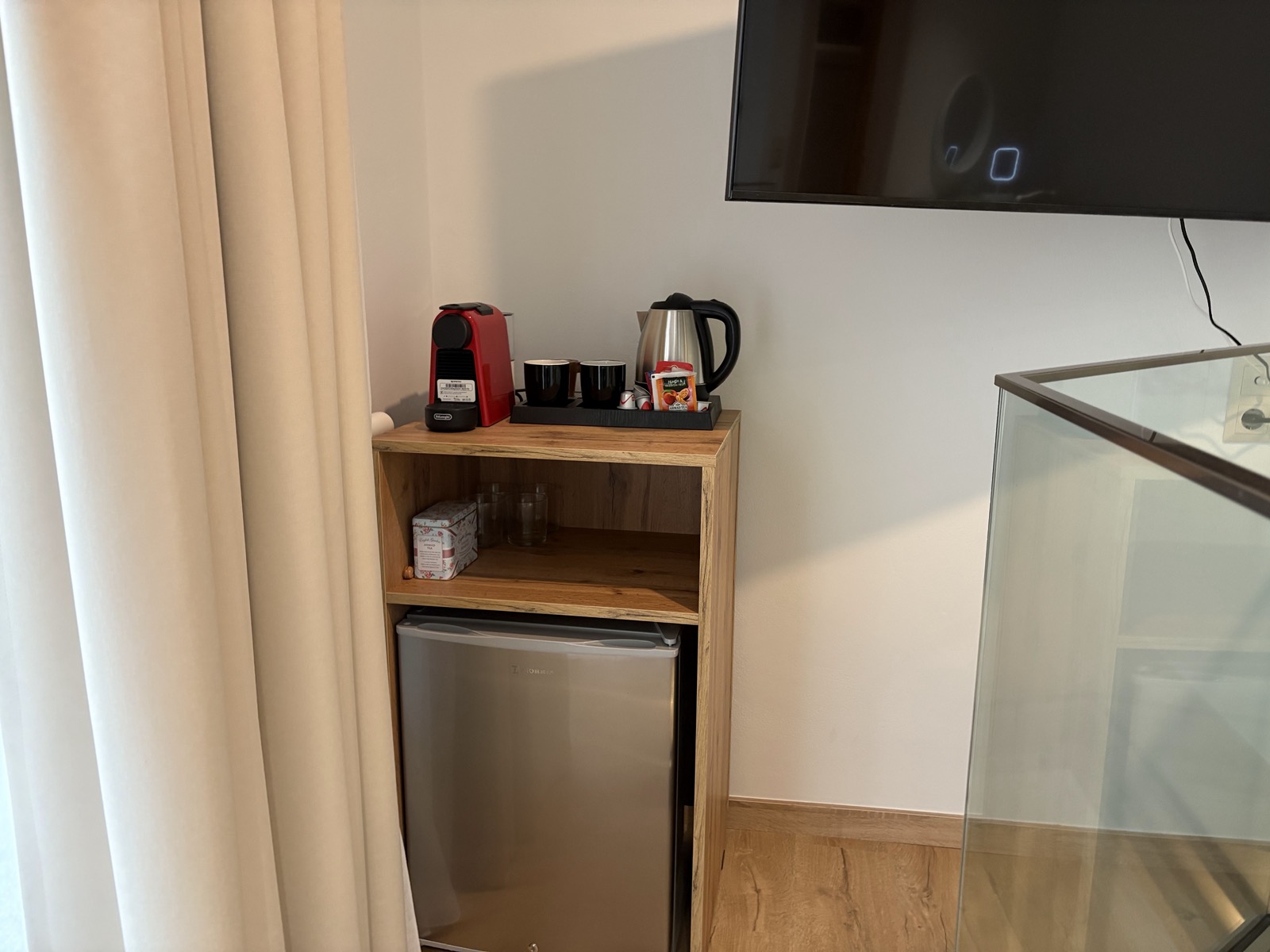
- Two espresso machines (ground floor & second floor).
- Two kettles, toaster, cookware (pots, pans, baking trays).
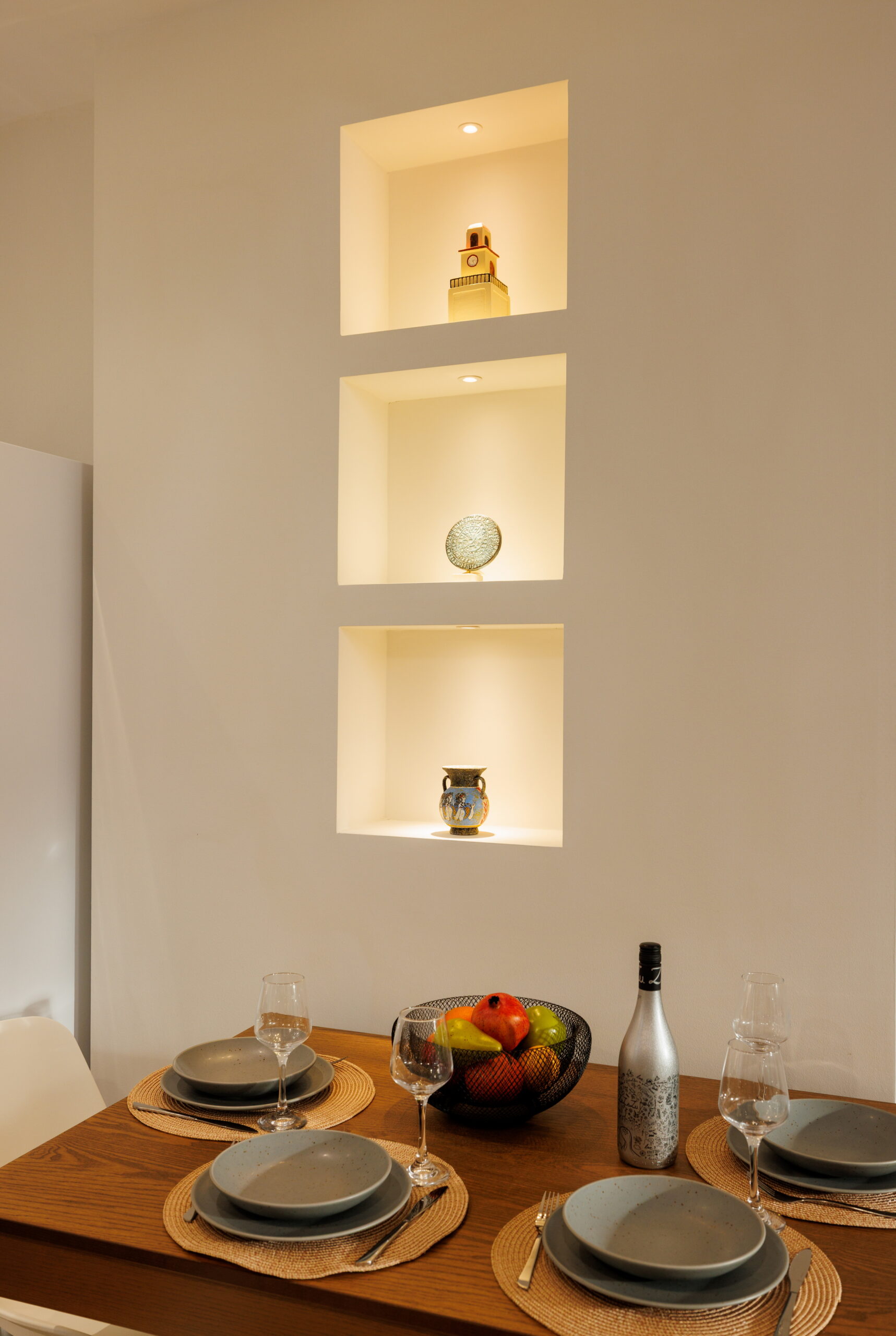
- Full dining set: plates, soup bowls, fruit bowls, tea cups, coffee cups, wine glasses, water glasses, juice glasses, and complete cutlery sets.
- Dining table with chairs for comfortable meals.
A welcome treat is provided, including water, soft drinks, espresso capsules, tea, rusks, jam, and traditional Cretan biscuits or paximadia.
Bathrooms & Amenities
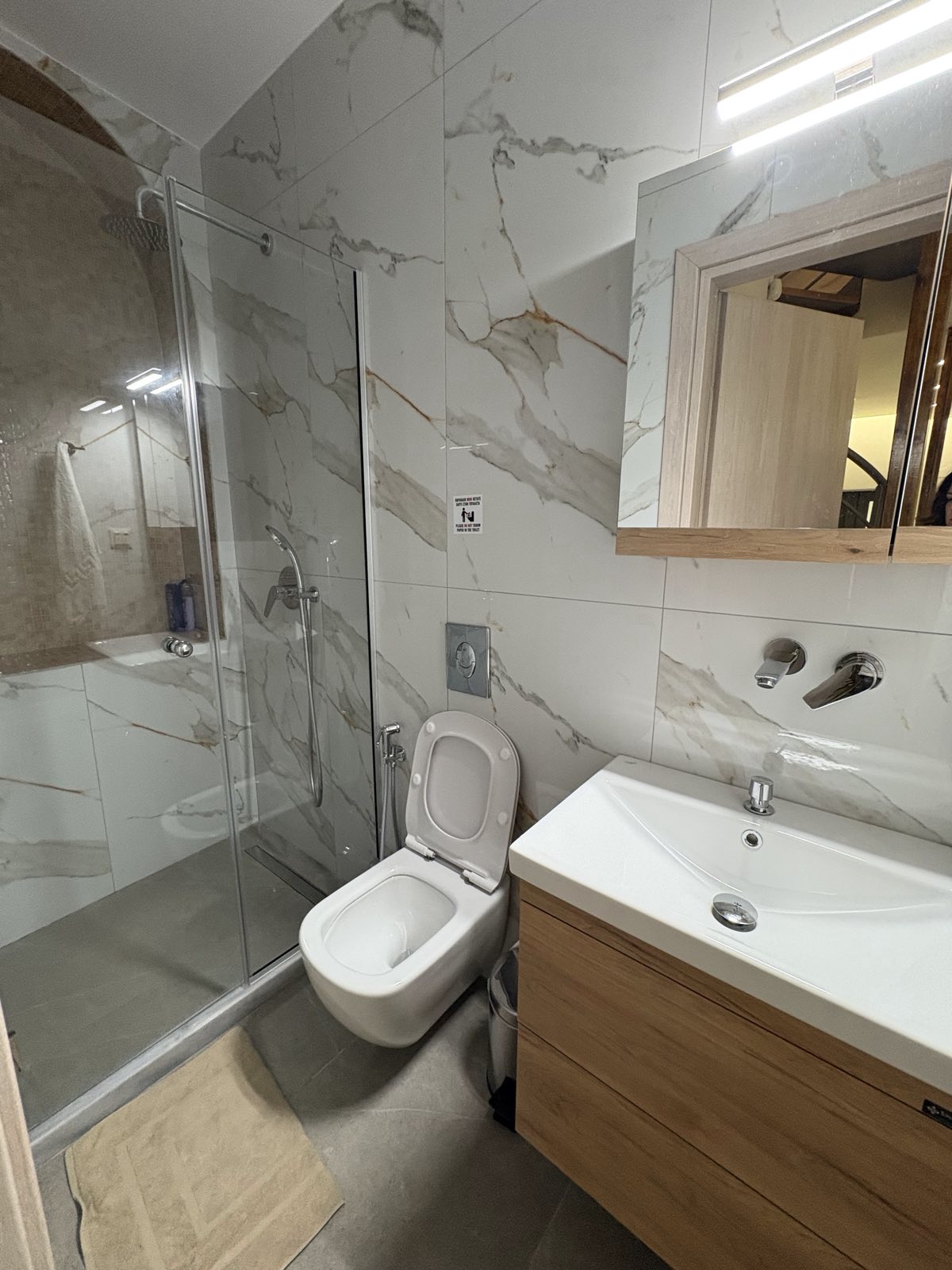
- Two modern bathrooms with shower cabins.
- Storage cabinets in each bathroom.
- Hairdryers (2).
- Toiletries: shampoo, shower gel, conditioner.
- Small first‑aid kit and fire extinguisher.
Living Spaces & Extra Features
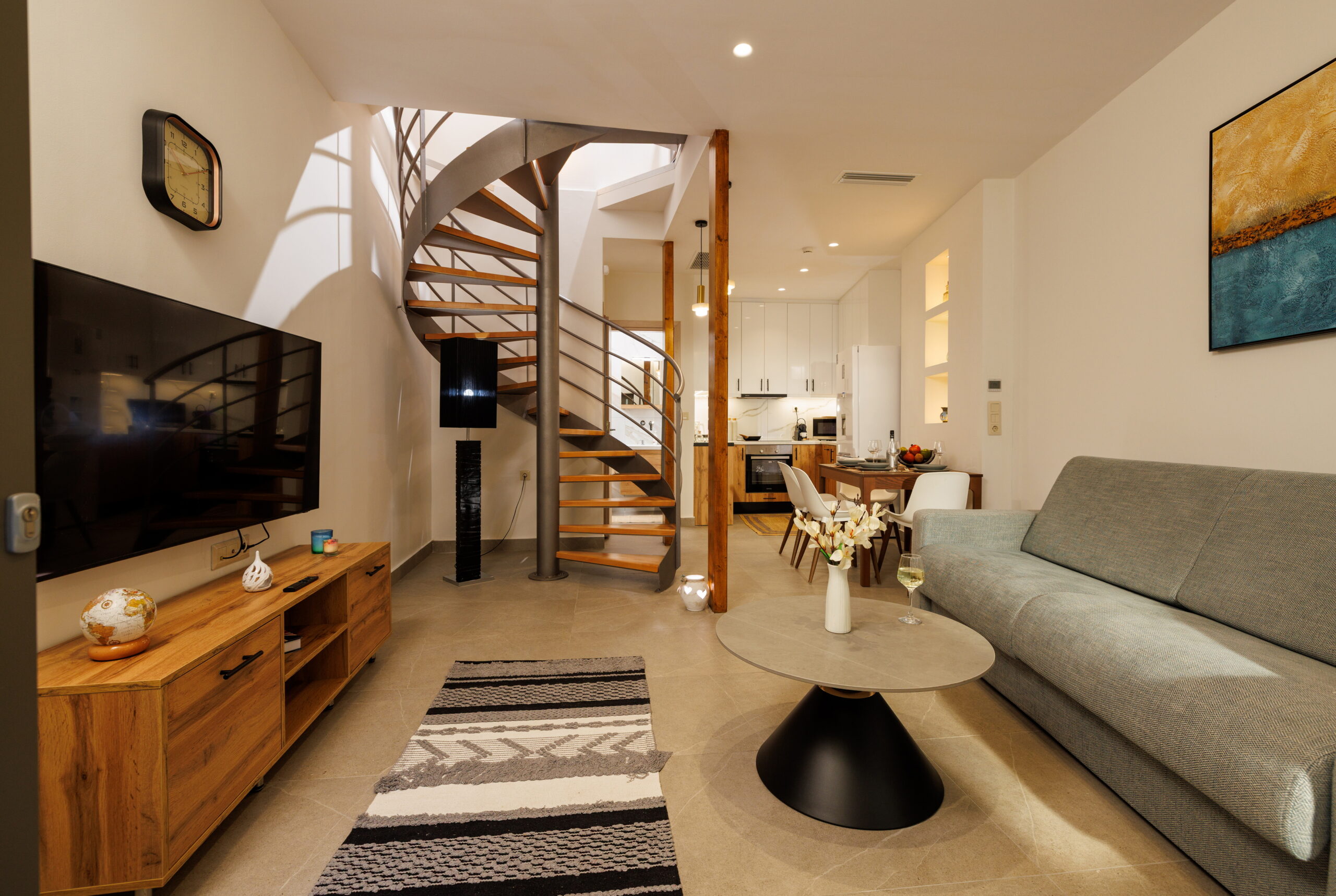
- Cozy living room with a three‑seater sofa and large Smart TV.
- Work desks and mirrors in every room.
- Mini bar on the second floor.
- Washing machine & dryer located in a dedicated outdoor area.
- High‑speed Wi‑Fi and Ethernet throughout the house.
- Air‑conditioning with internal air‑circulation channels for efficient cooling/heating.
EVMARIA LUXURY COTTAGE
Outdoor Areas & Sea View
- Small balcony on the first floor.
- Utility veranda with laundry area and drying rack.
- Main veranda on the second floor with sea view, furnished with a table and four chairs—perfect for breakfast, sunset drinks, or peaceful evenings overlooking the village and the Cretan Sea.
WHY EVMARIA LUXURY COTTAGE
This combination makes Evmaria Maisonette an exceptional choice for travelers who want to stay in a beautiful, peaceful area with a traditional tone, while still enjoying the comfort and sophistication of a modern luxury home.
Information
House Rules

Pets are not allowed.

Smoking is not permitted indoors.
Have a Question?
Talk to the Host
Agios Myronas
Location & Nearby Attractions
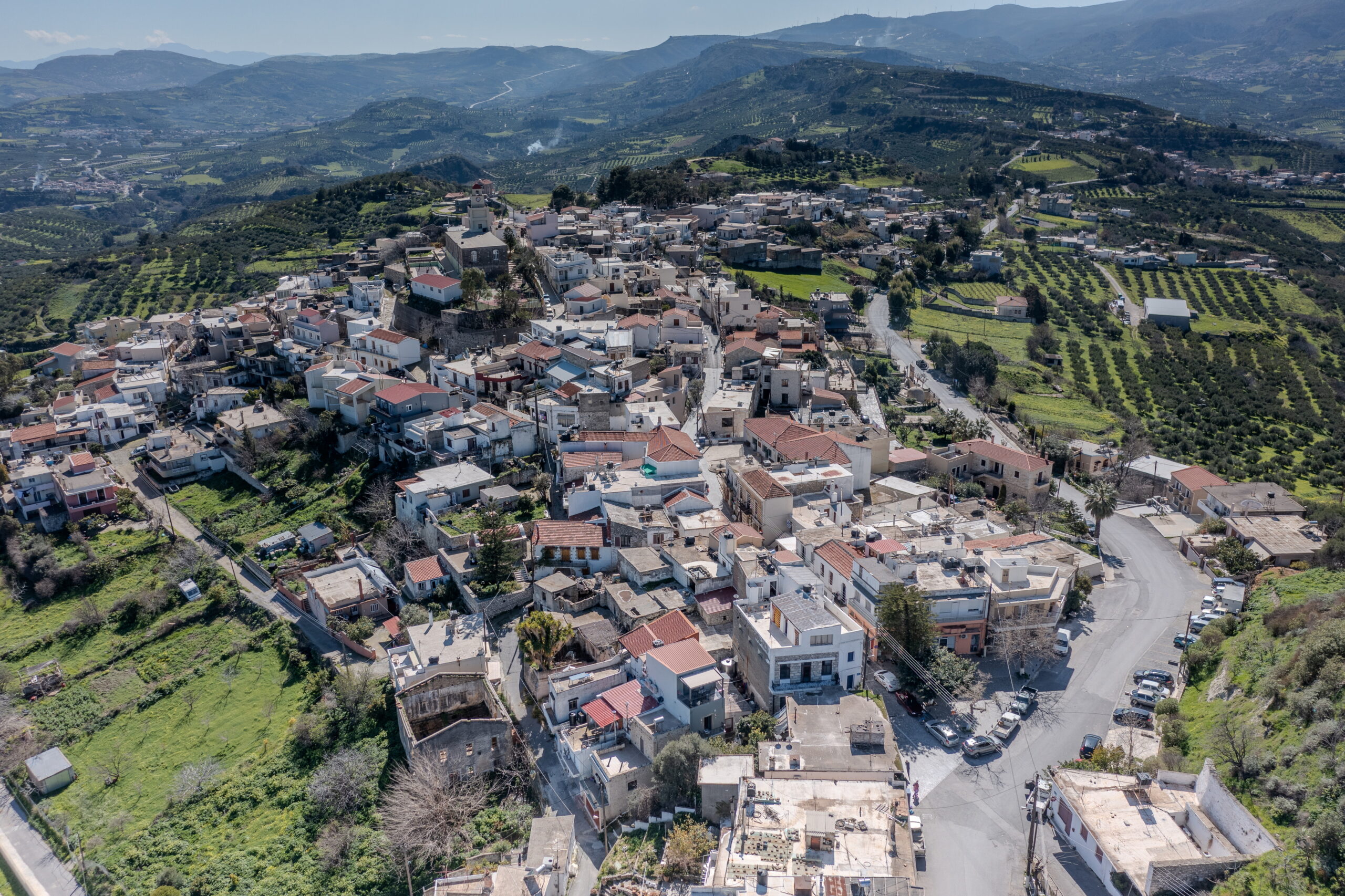
Located just a short drive from Heraklion, Agios Myronas is a village known for its authentic Cretan character, stone‑built houses, and peaceful rhythm of life. It creates a quiet and relaxing setting, where guests can truly unwind, while still being close to the city, beaches, and major attractions.
The village provides:
- Cafés, bakeries, pharmacy, medical office, and local tavernas.
- A quiet, authentic atmosphere away from the crowds.
- Beautiful natural surroundings ideal for walking and exploring.
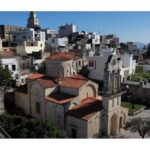
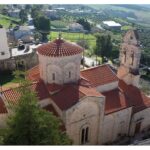
- The historic Church of Agios Myronas, the Holy Spring, the village clock tower, and scenic walking paths.
- The Gorgolaini Monastery and other cultural landmarks.
- Tourist guides and local information available inside the maisonette.
- Easy access to Heraklion, archaeological sites, and coastal areas.
Ancient Raukos
Ancient Raukos was located where the village of Agios Myronas now stands. The ruins of ancient Raukos are found on the northeastern slope of the hill where the current settlement is built. It dates back to the Hellenistic period and is mentioned by ancient authors.
Residents of the area, chased by bees with “bronze-like” stingers, abandoned the ancient city and founded a new one with the same name. In 193 BC, it allied with Gortyna and Lyttos, seizing Lykastos from Knossos. In 166 BC, it was annexed by Knossos, losing its autonomy.
Raukos became known for its coins and inscriptions. Its economy was based on agriculture and beekeeping and flourished significantly. From the 5th to the 2nd century BC, eight types of coins were issued (silver stater, didrachm, copper drachma). Its production capacity made it an important agricultural center in Crete.
The Miraculous Holy Water of Saint Myron
Celebration Date of the Saint Myron Churh: August 8th
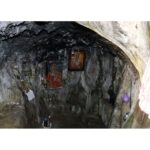
From the church courtyard, heading down the slope on the west side, we come across a small cave carved into the rock, which runs beneath the church. This cave served as the saint’s place of asceticism and is directly linked to a miracle performed by Saint Myron when he was still a presbyter.
According to tradition, one day a lion came into the village from the north. The villagers began to flee the village. However, after praying, the Saint petrified the lion, and the Christians returned to their homes, giving thanks to God and the Saint. Even today, the lion’s tail can be seen in the northwestern part of the village and its head in the southwestern part, right inside the cave where the Holy Water flows.
To enter the cave, one must descend three steps; it is a narrow, somewhat round space. Its roof is the lion’s head that the Saint fossilized. To the left is a raised area, about half a meter higher than the floor slabs, which—according to tradition—served as the ascetic Saint’s bed. Rocks surround the area, while three small depressions are found on the floor.
Holy water always flows in the middle one. In a hollow in the rock stands the icon of the Saint, and in front of it a lamp is always lit. However, it is a source of both wonder and amazement to both the villagers and visitors alike: how is it possible that, even though so many people have been drawing holy water here for centuries, it never runs out! And despite the fact that this issue has preoccupied them, no precise or definitive answer has been given.
We know, of course, that when it comes to matters of faith and religion, human reason is often unable to offer its own explanation. There are two main traditions associated with the constant presence of holy water in the cave.
The first holds that the holy water flows—springs directly from the saint’s tomb (though this has not, of course, been proven, despite the various excavations conducted from time to time beneath the church), while the second states that all the moisture in the cave, which increases on the Saint’s feast day (during the reading of the Gospel), ends up in this depression.
Whichever of these traditions one accepts, however, it is an indisputable fact that no matter what time of year one visits or at what hour one wishes to do so, as long as one’s soul is pure, they can use a small ladle located next to the hollow to draw up the miraculous Holy Water.
Here, it is worth mentioning an incident related to the holy water that took place in recent years.
The parish priest of the church was Father Nikolaos Kritsotakis, who continues to serve at the church to this day. The church trustees, in their effort to maintain the cave area and especially the holy water spring, decided to empty all the holy water and pour it into the church’s sink, when they discovered that small objects left by worshippers, as well as oil, had fallen into it. In fact, they did not inform the priest of this initiative—as they should have.
So they emptied the holy water, cleaned and wiped the hollow thoroughly, and before they had a chance to return to the cave, they were astonished to find that in a very short time the hollow had inexplicably refilled itself, and in fact more than before.
The old factory, with funding from the Leader programs and the assistance of many well-known and anonymous individuals—such as former Minister of Agriculture Savvas Tsitouridis—was completely renovated and equipped. Today, the space serves as a cultural center with a full program of lectures, screenings, and discussions during the winter season. Coffee is also served during memorial services, and every Sunday after the service, the women of the charity take turns offering refreshments to the faithful.
A school of iconography for young children also operates in the same space today. Meanwhile, the old hall, which had been renovated, is now used solely as a Sunday school for elementary, middle, and high school students. The lending library has also remained, enriched with various books as well as CDs and DVDs. Many faithful flock constantly to the cave and try to draw the miraculous holy water. In fact, clergy members have occasionally reported cases of people who were unable to draw it from the spring. Countless are the miracles this holy water has performed and continues to perform to this day. In particular, there are reports of patients with eye problems who were completely healed.
The saint’s hermitage, the famous cave, has been renovated in recent years thanks to the dedicated efforts of Father Nikolaos Kritsotakis and the parish council. On the priest’s initiative, work began on painting the small chapel—which is an extension of the cave—planting trees, and developing the area surrounding the cave, with the aim of better serving the faithful.
Info Resource: Το Θαυματουργό Αγίασμα
The Legend of the Dragon of Saint Myron Church
Another significant miracle attributed to the saint—one that is directly linked to the daily lives of the village’s inhabitants and remains unexplained, much like the holy water—is the miracle involving the dragon. According to tradition, a dragon would come to Ravko from time to time and devour people and animals.
Saint Myronas had been ordained bishop at that time and was away from the village.
The villagers were disheartened and frightened. However, on one occasion when the Saint had returned to his hometown, the dragon reappeared. In fact, this happened one Sunday morning while the Saint was celebrating Mass at the Church of Christ the Savior, which still stands today. The Saint, without fear, reassured the faithful and sent the deacon with his bishop’s staff to command the beast in the name of Christ to remain where it was. Indeed, the beast remained motionless and dead.
After the service ended, the Saint stood in the churchyard and threw a large stone at the beast lying on the hillside. At that very moment, a shower of stones, of unknown origin, fell upon the beast, which was petrified and turned into a large rock.
According to tradition, this rock trapped the dragon inside, which is why the rock that remains today is called “dragon.” A curious phenomenon has been occurring at the rock from ancient times to the present day.
The Dragon Rock, made of granite and covering an area of about 1,000 square meters, is a reliable indicator of the weather. Sometimes small bubbles resembling white foam emerge from its crevices—a sign that it is going to rain, according to the locals—and at other times a strange noise can be heard coming from inside the rock—a sign that a heavy winter storm is on the way.
This is confirmed by many villagers who have witnessed this phenomenon. Many outsiders, geologists, and engineers have visited Drako but have not yet managed to explain this unique phenomenon, which tradition and popular belief attribute to the grace of the Saint, as a natural barometer.
Info Resource: Το Θαυματουργό Αγίασμα
The Clock of Saint Myron
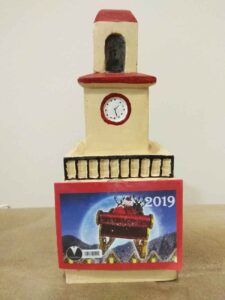
With a miniature plaster replica of the clock that dominates Agios Myronas and serves as a landmark of the town, the Cultural Association chose to wish everyone a Happy New Year through its 2019 calendar.
The calendar, carefully designed in every detail, also serves as a beautiful decorative piece, strongly reminiscent of the town through the replica of its imposing clock.
The clock was completed in the second decade of the 1900s on the building of the Primary School in Kichilas, located at the highest point of the settlement at an altitude of 472 meters. From this spot, visitors can view around forty villages across the regions of Malevizi, Temenos, Pyrgiotissa, as well as Heraklion and the island of Dia.
The clock’s original mechanism was of Italian origin, from Genoa, and was donated by the late I. Nikolopoulos, who lived in Argentina, with the intention of installing it in the church of Agios Myronas. However, the bell tower could not accommodate the mechanism, so the local representatives in the Community Council decided to install it at the Primary School in Kichilas instead.
Thus, construction of the building began and was completed in 1927, when the mechanism was installed. From then on, residents could accurately tell the time thanks to its distinctive sound and clearly visible hands.
For many years, the clock was wound by final-year primary school students, as well as neighbors, who climbed the wooden ladder and used a crank to lift the weights (“volia”), ensuring the mechanism functioned properly.
The clock became closely linked to the historical, economic, and social life of the area. Its chimes—once every half hour and counting the hours—guided even agricultural activities, as they could be heard across a wide area of the village.
A traditional mantinada (Cretan rhyme) says:
“Up there on Kichilas high,
stands the clock in view,
counting hours rhythmically,
like beads of a komboloi.”
Over time, however, wear and tear began to affect the clock, including structural issues. The former Municipality of Gorgolaini, under Mayor G. Matthaiakis, along with the Municipal Council, decided to proceed with its maintenance and restoration. Through the technical services of the Heraklion Prefecture, the process began.
The study—considered particularly challenging—was undertaken by engineer Manolis Vasilakis, former Deputy Mayor of Heraklion. The reconstruction, structural reinforcement, dome strengthening, access doors, and staircase leading to the bell tower were carried out by civil engineer and public works contractor Giorgos Galenianos, whose father and grandfather originated from Agios Myronas.
The result was a meticulous restoration, completed in 2011 and delivered to the Local Council, its president Giannis Sifakis, and all residents of Agios Myronas—a solid and admirable structure that stands today as a restored jewel for both the town and the wider region.
At the same time, the clock was illuminated and its mechanism modernized, while its rhythmic sound remains unchanged, evoking memories and giving the sense that this historic Cretan town remains alive through time.
The original mechanism, including its gears and crank, has been preserved by the Cultural Association and is now exhibited in its hall, awakening memories for those who once wound it and for those who admired it over the years.
“We chose this year to move away from the classic calendar format—not to be innovative for its own sake, but to create a carefully crafted decorative piece that strongly reflects our town,” says Myron Tserevelakis, president of the Cultural Association of Agios Myronas.
“Since the iconic clock is a landmark of Agios Myronas—alongside the Church and the Hermitage where the Saint lived—we decided, through this small replica, to wish our fellow villagers and friends a Happy New Year filled with health and joy,” he adds.
He also notes that this year’s calendar sold out within the first days of its release, prompting the Association’s Board to order additional copies to meet the high demand.